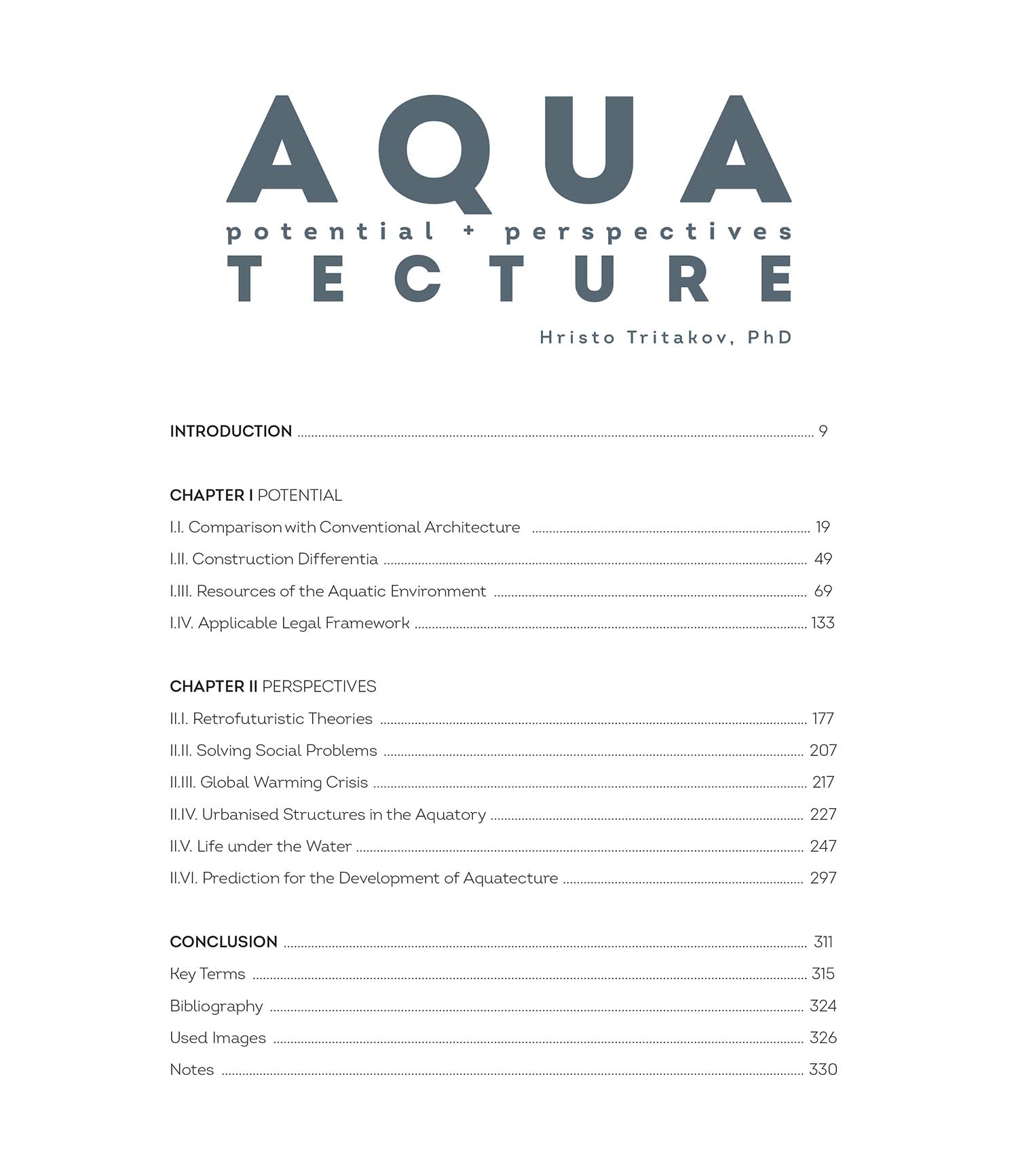




Aquatecture

*** THE BOOK ***

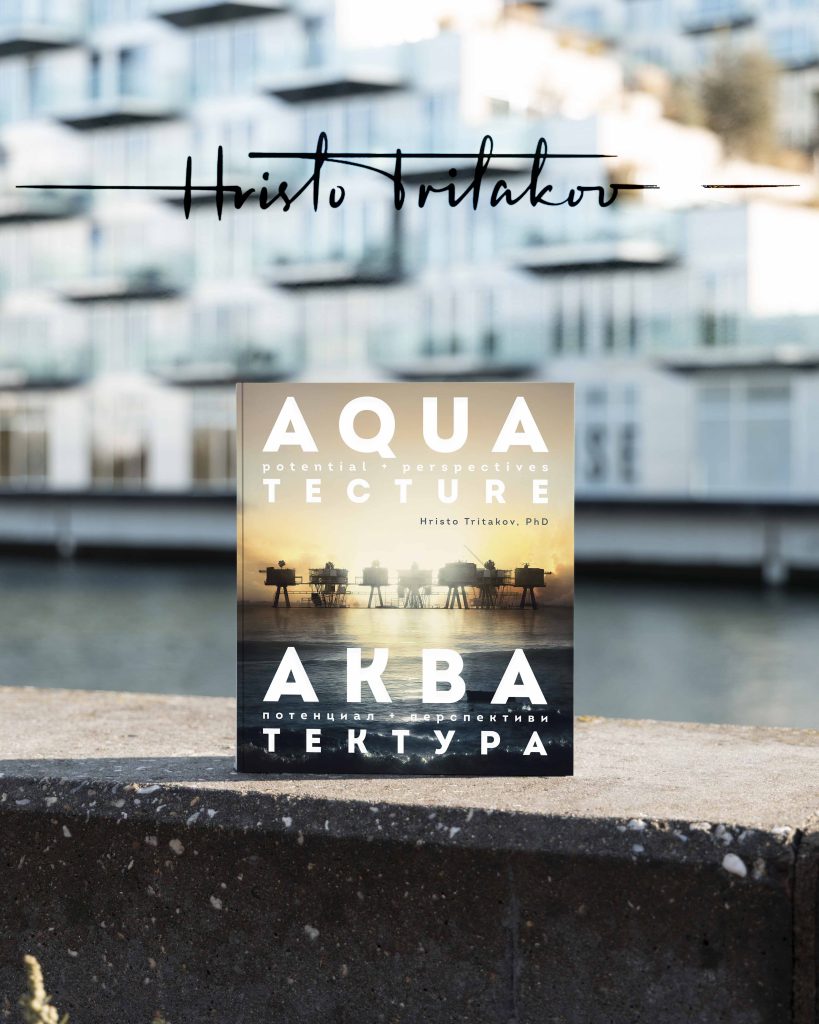
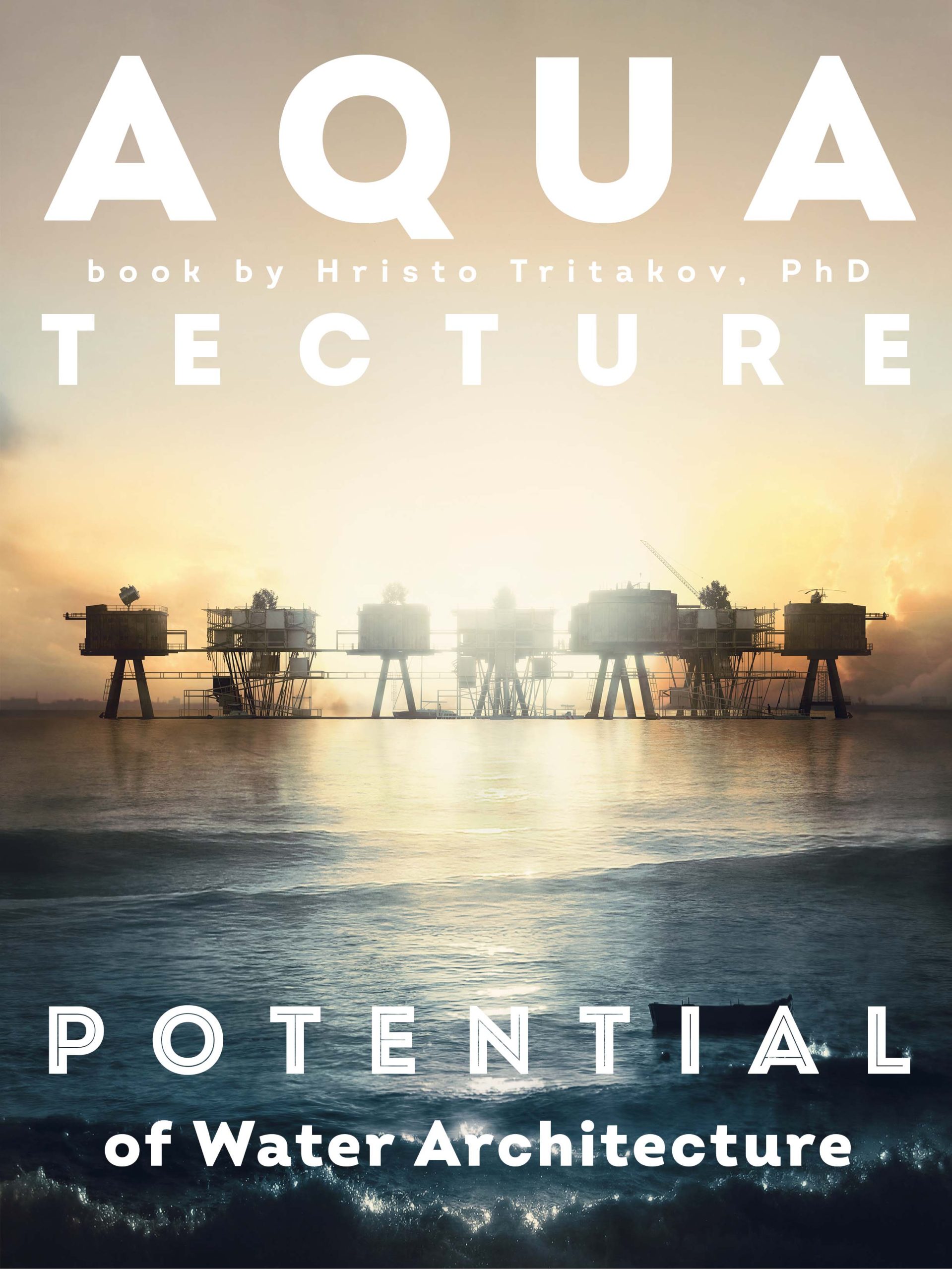
Welcome to the world of water architecture. Explore new paradigm shift for future water urbanism, building innovation and more...

I'm

Hristo

architect

aquatecture specialist

doctor of philosophy

TRITAKOV

*MANIFESTO

The New Paradigm Shift

AQUA+

ARCHITECTURE

Architecture in the marine environment should be used as a significant tool for solving global, urban planning and social problems in the search for a high-quality living environment that advantages the sustainable and positive future development of human civilisation.

Sold Copies

0 +

Years Experience

0 +

Projects

0 +

MAIN

Topics

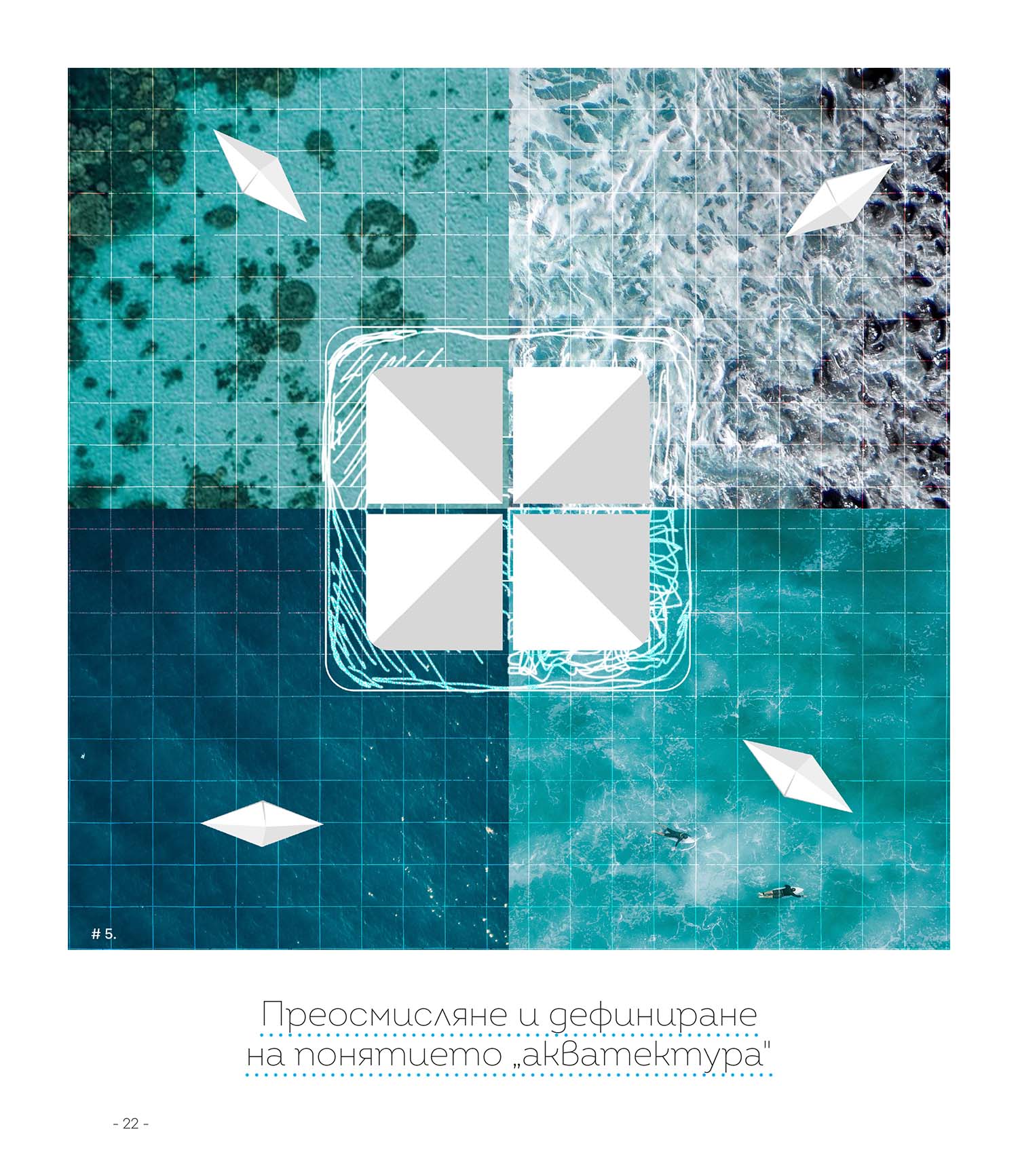
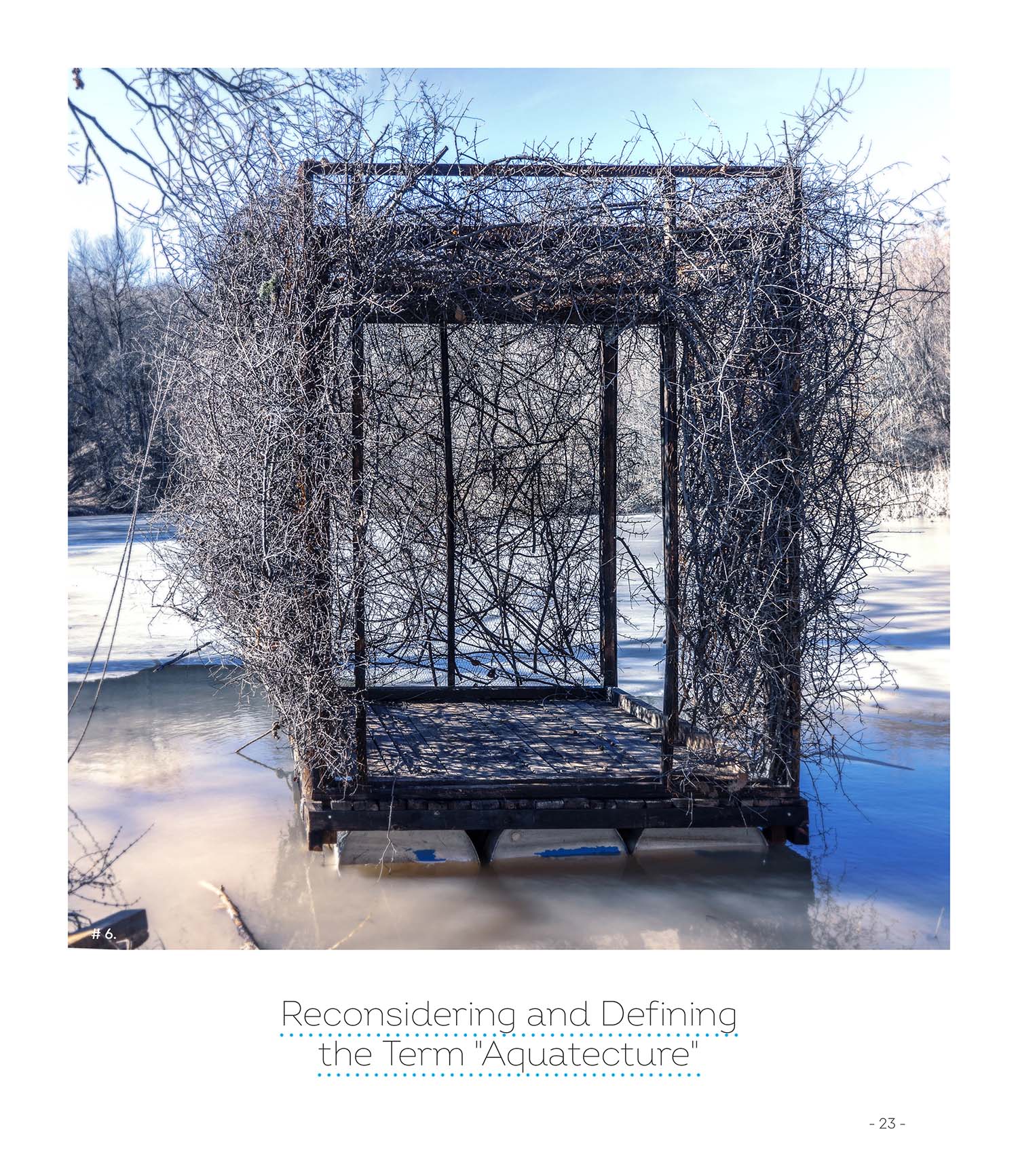
Defining
"Aquatecture"

Comparison with conventional architecture

Construction
Differentia

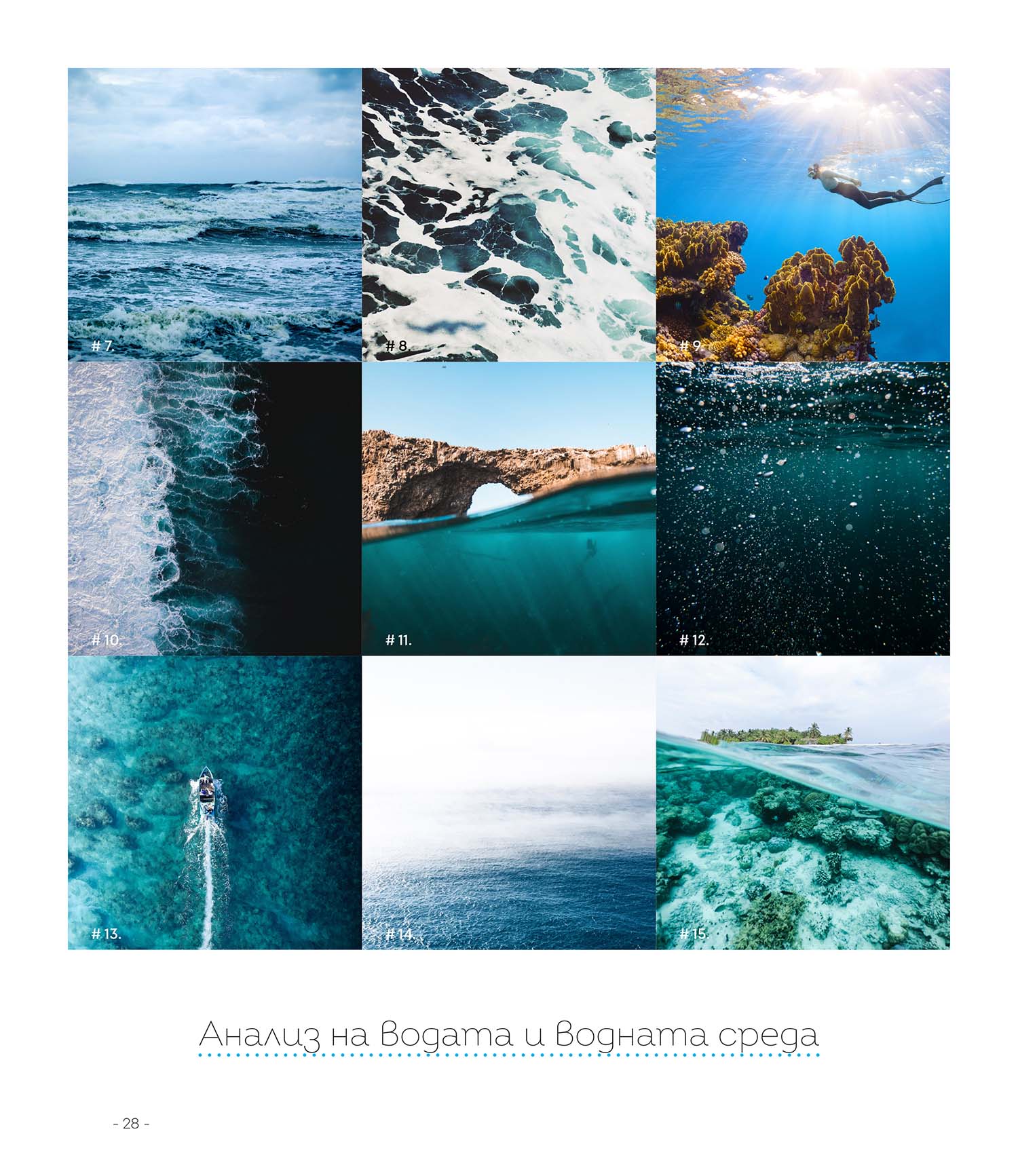
Resources of the Aquatic Environment

Applicable
Legal Framework

Prediction for the Development of Aquatecture

Science
Fiction

or Reality

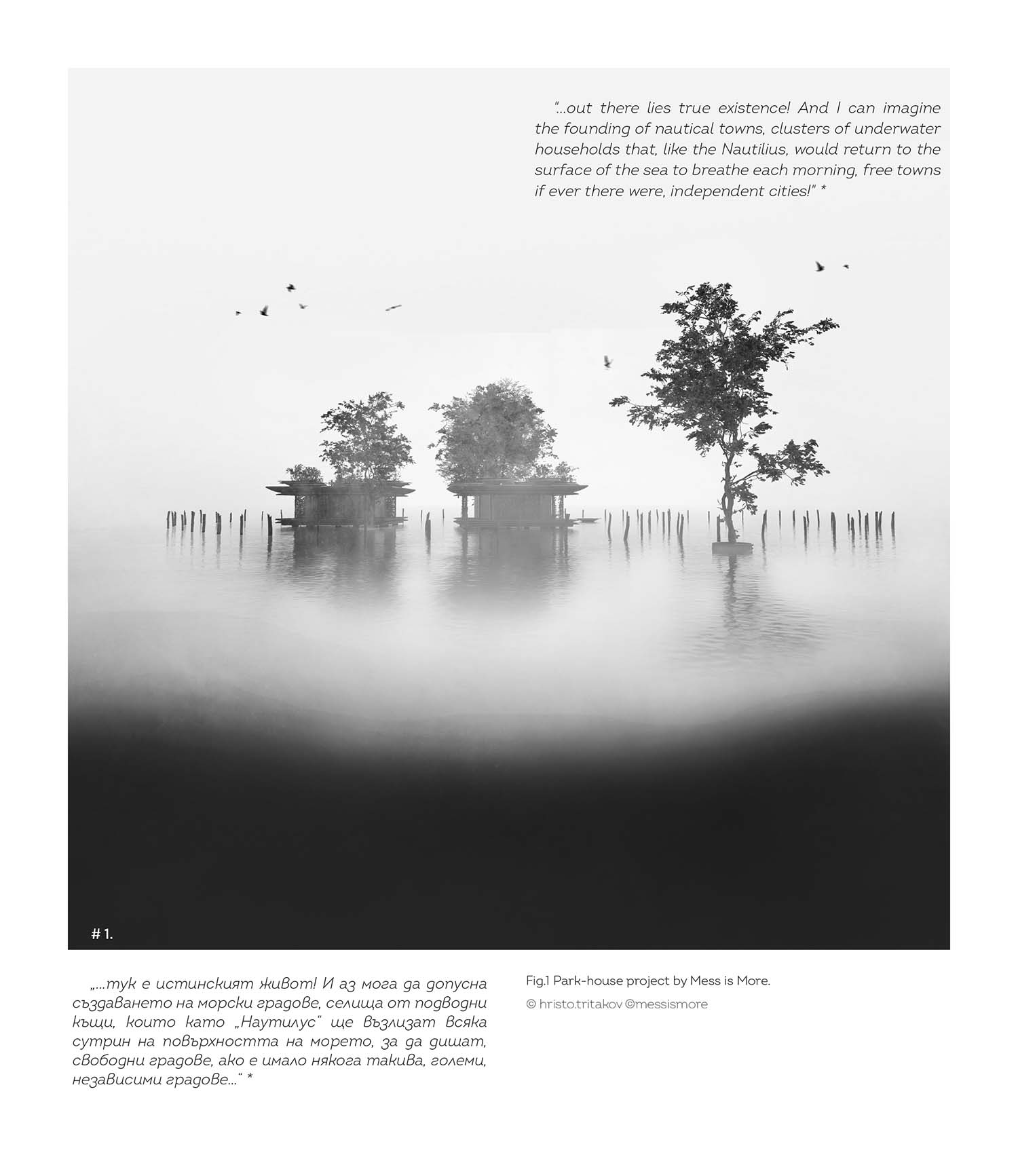
...out there lies true existence! And I can imagine the founding of nautical towns, clusters of underwater households that, like the Nautilius, would return to the surface of the sea to breathe each morning, free towns if ever there were, independent cities!

Jules Verne

Quote from the book "Twenty Thousand Leagues Under the Sea"

What About

Water

Where does water come from? Is it really older than the Sun?

If we look beyond the limits of human perception – about 1,300 light-years away in the young star formation V883 Orionis, we discover something: “The composition of the water in the disc is very similar to that of comets in our own Solar System. This is confirmation of the idea that the water in planetary systems formed billions of years ago, before the Sun, in interstellar space, and has been inherited by both comets and Earth, relatively unchanged.” **

Book Introduction

Quote from John J. Tobin (nature.com)

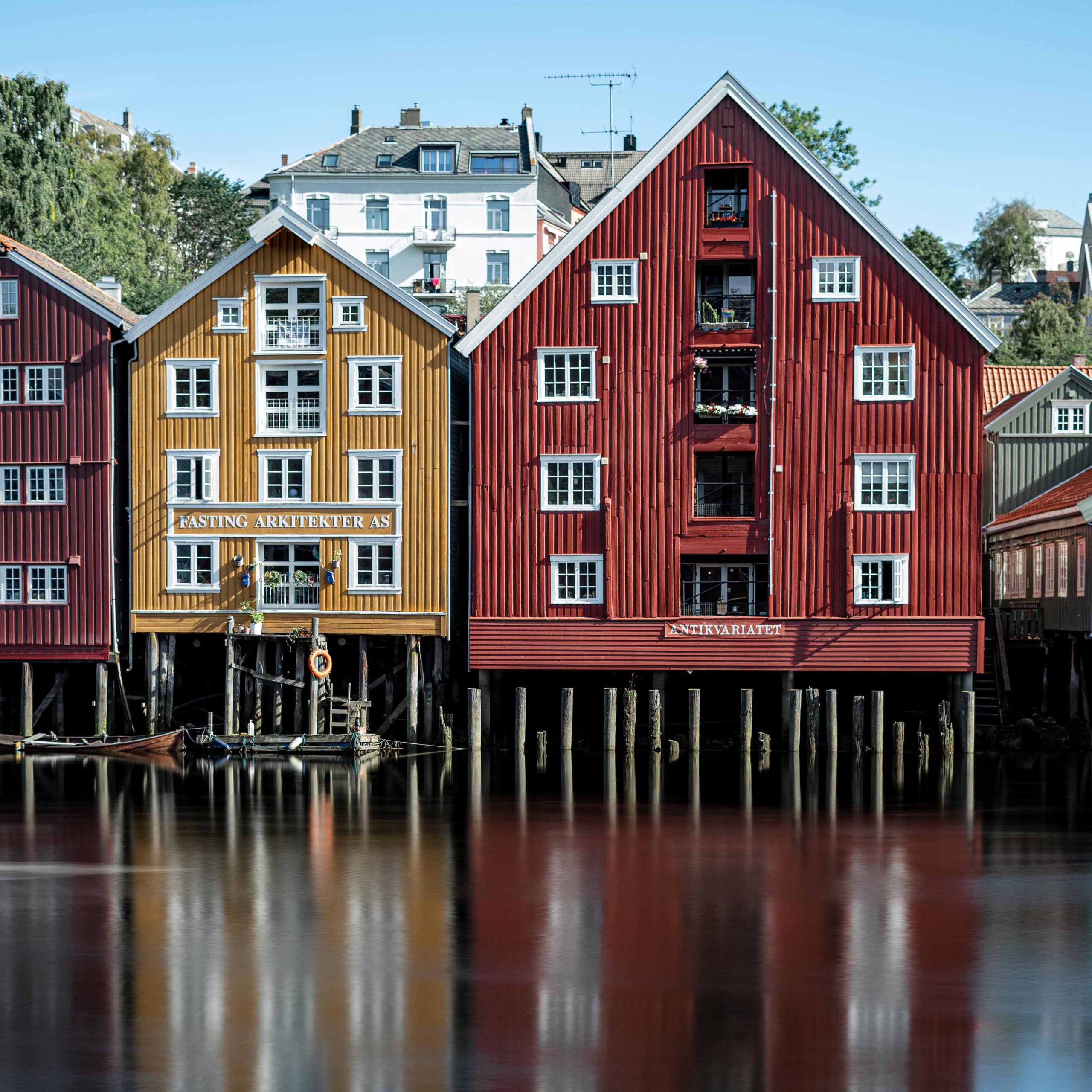
Proximity to aquatic environments has always been a central component for the birth and development of civilisations and cities worldwide. Such locations offer easy and convenient means of transportation, favourable climates, better tourism opportunities and almost inexhaustible food and energy resources. In the 21st century, approximately 40% of the world’s population inhabits territories within 100km of an adjoining significant body of water. Apart from that, all eight billion people in the world are directly or indirectly dependent on the developments around aquatories.

03

We owe a great deal to this LEGACY - to the comets carrying life-giving components that crashed into our fledgling planet billions of years ago. Following this line of thinking, it is very likely that the water we use today is older than the Sun itself. So the question is: Are we managing this resource in the most sustainable way?

On the planet “Water,” we have everything we need to live a more positive and sustainable life, to use and generate resources that provide for a multi-billion population while ensuring valuable human progress.

01

ARCHITECTURE
has been a world-shaping tool for overcoming the limits of human capabilities since ancient times. Its development is key to the survival of Homo sapiens and the advancing potential of human civilisation.

AQUATECTURE
in turn, represents the necessary evolution of design expanding toward new sea horizons and the unexplored ocean depths.

02

*Chapter 1

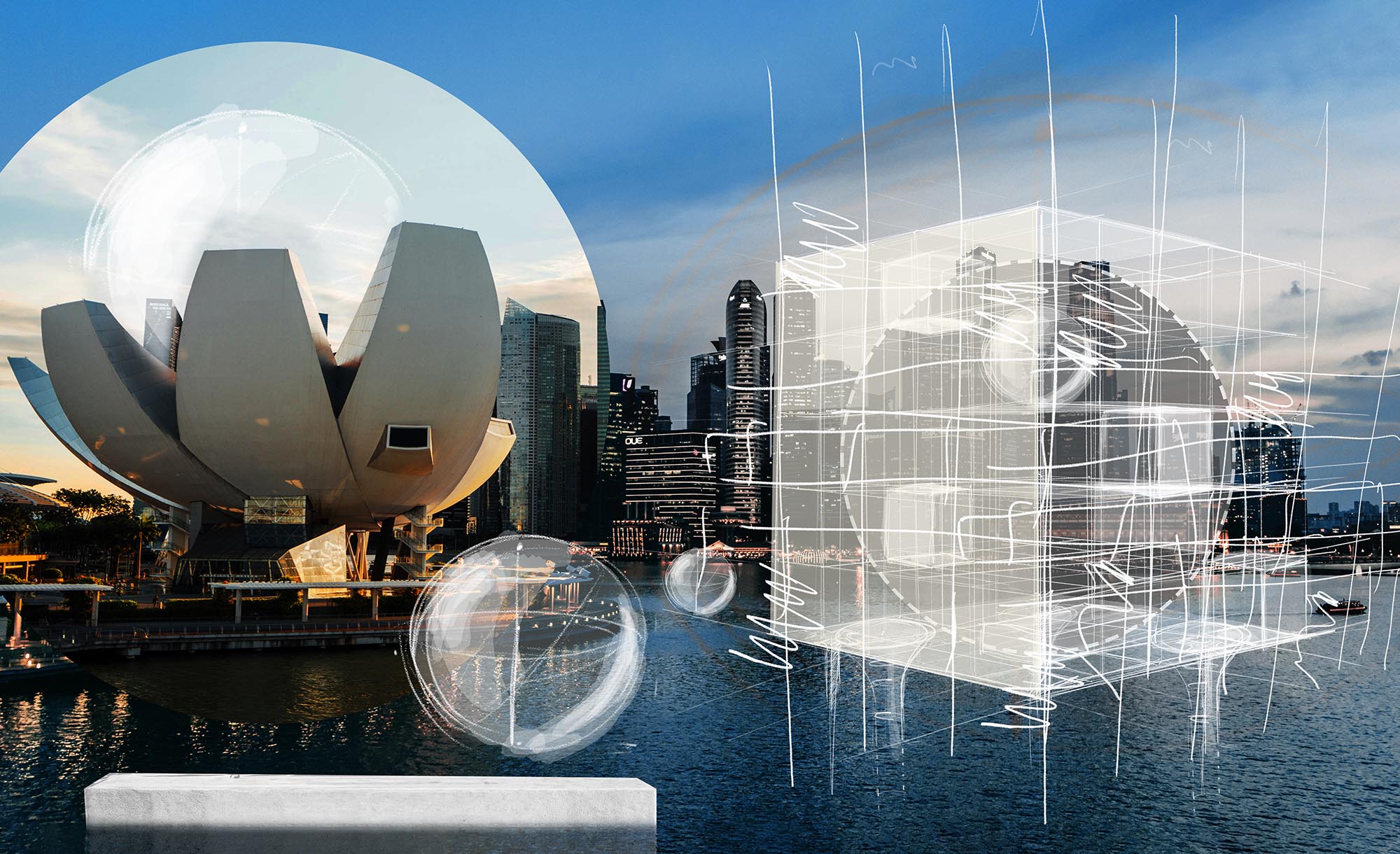
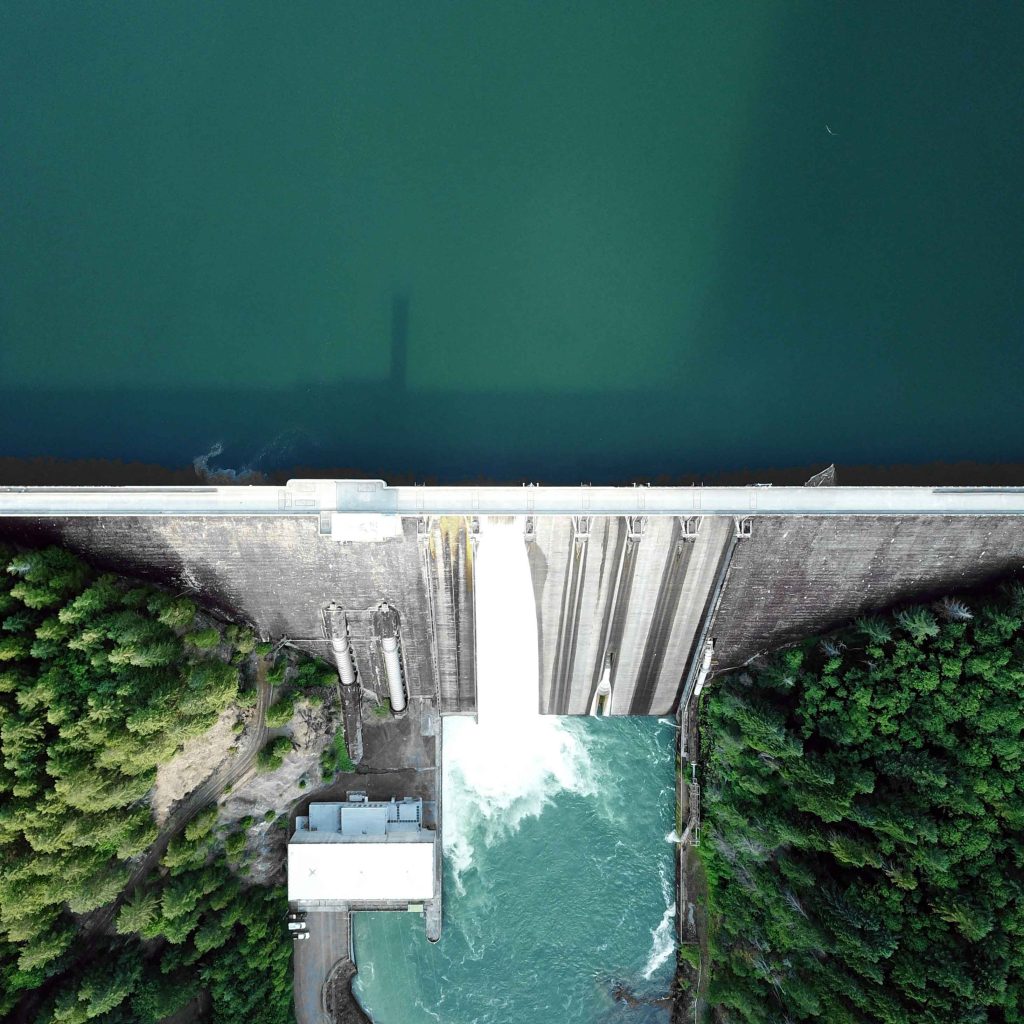
Understanding architecture on a global scale is often related to controlling the resources of the natural environment, its remodelling and improvement in search of optimal comfort and quality of life.

Comparison with Conventional Architecture

© Francesco Ungaro
© Christian Wiediger
© CEphoto, Uwe Aranas
© Karla Villaizan

*Chapter 2

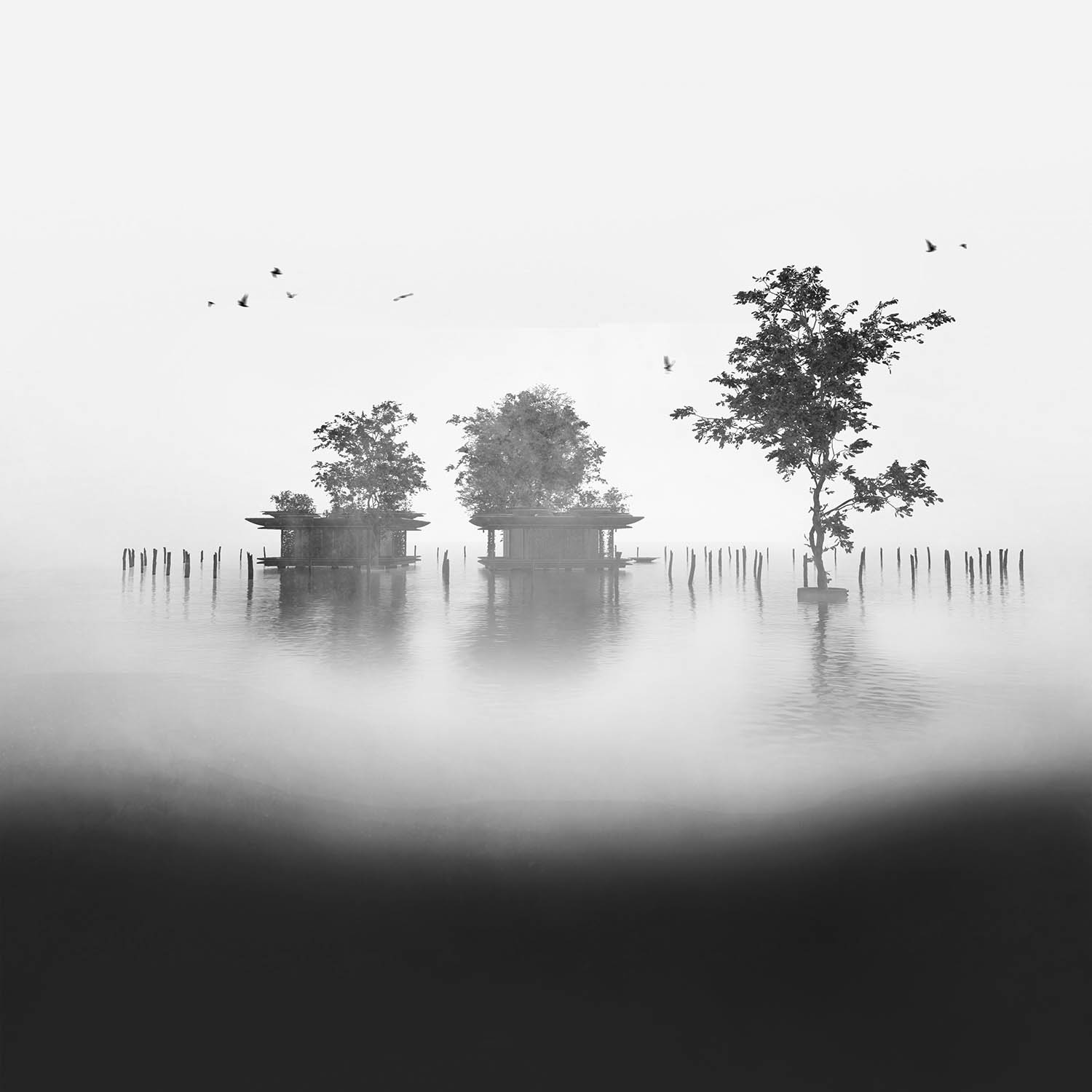
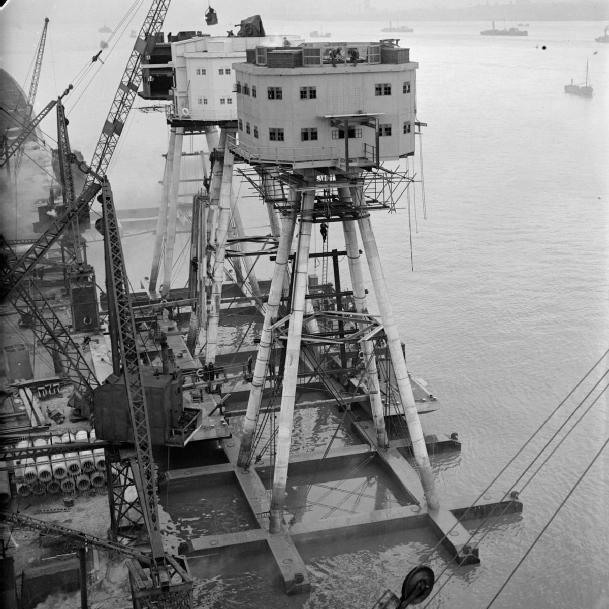
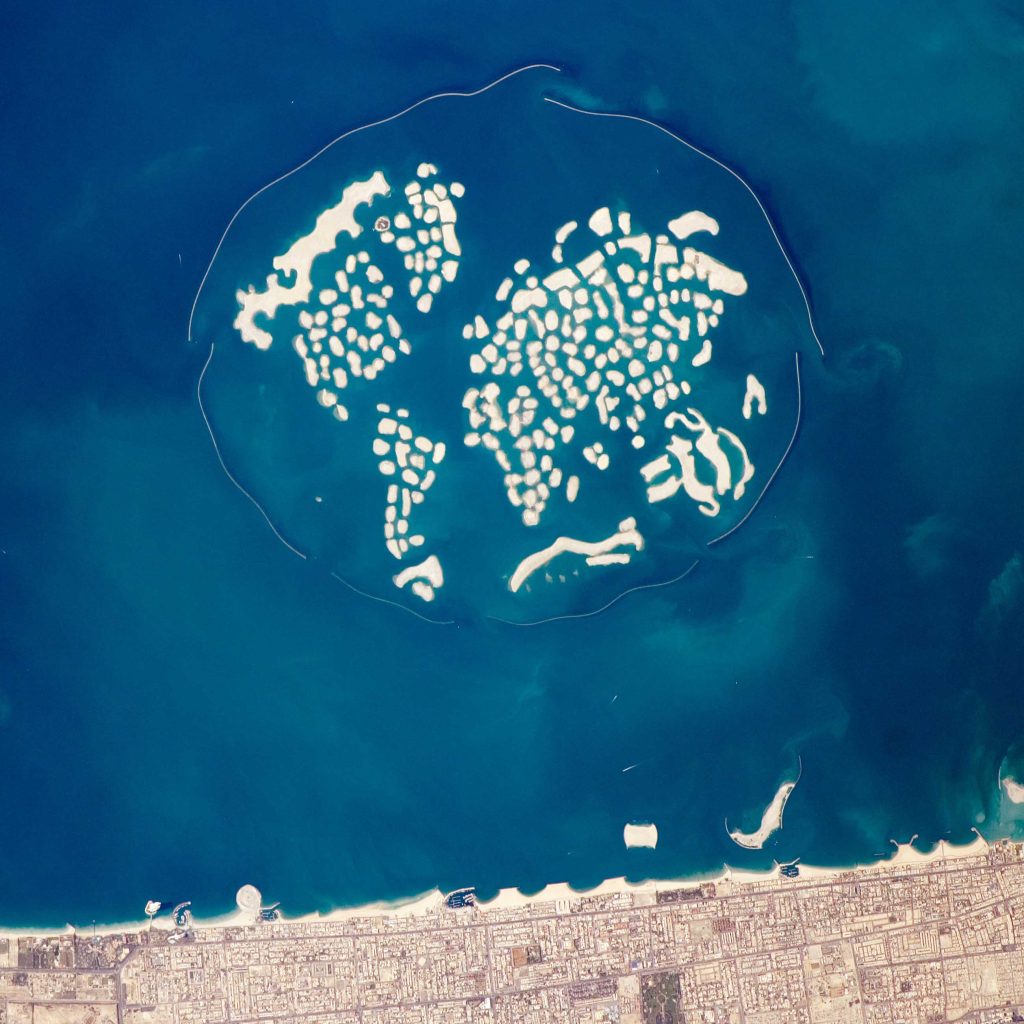
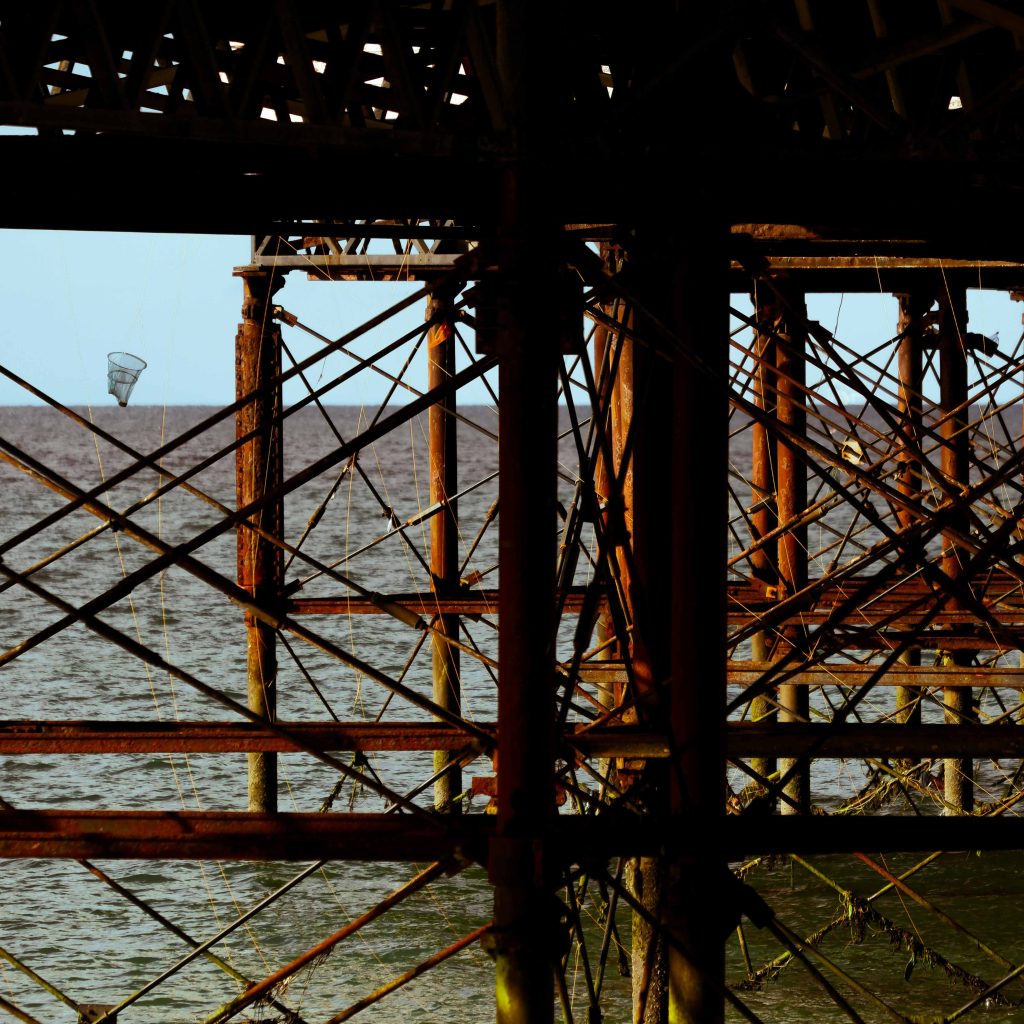
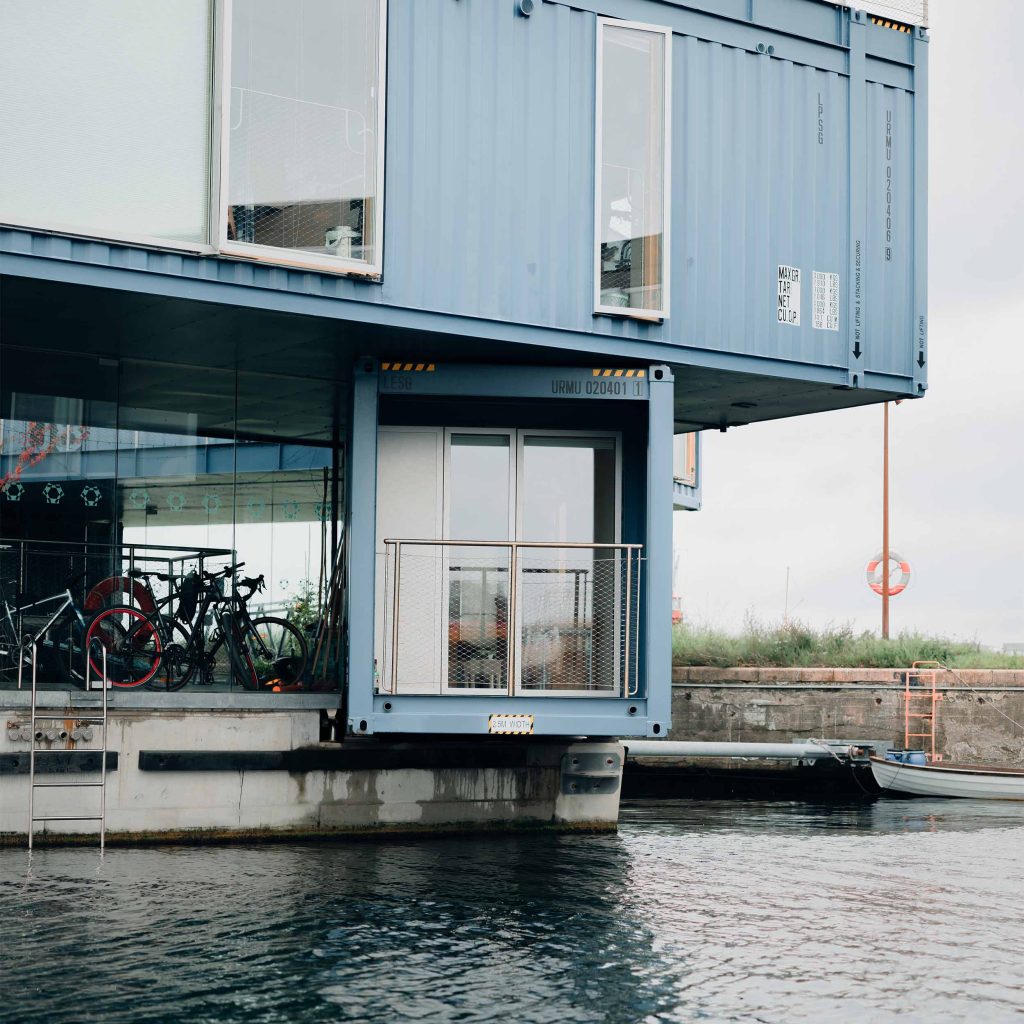
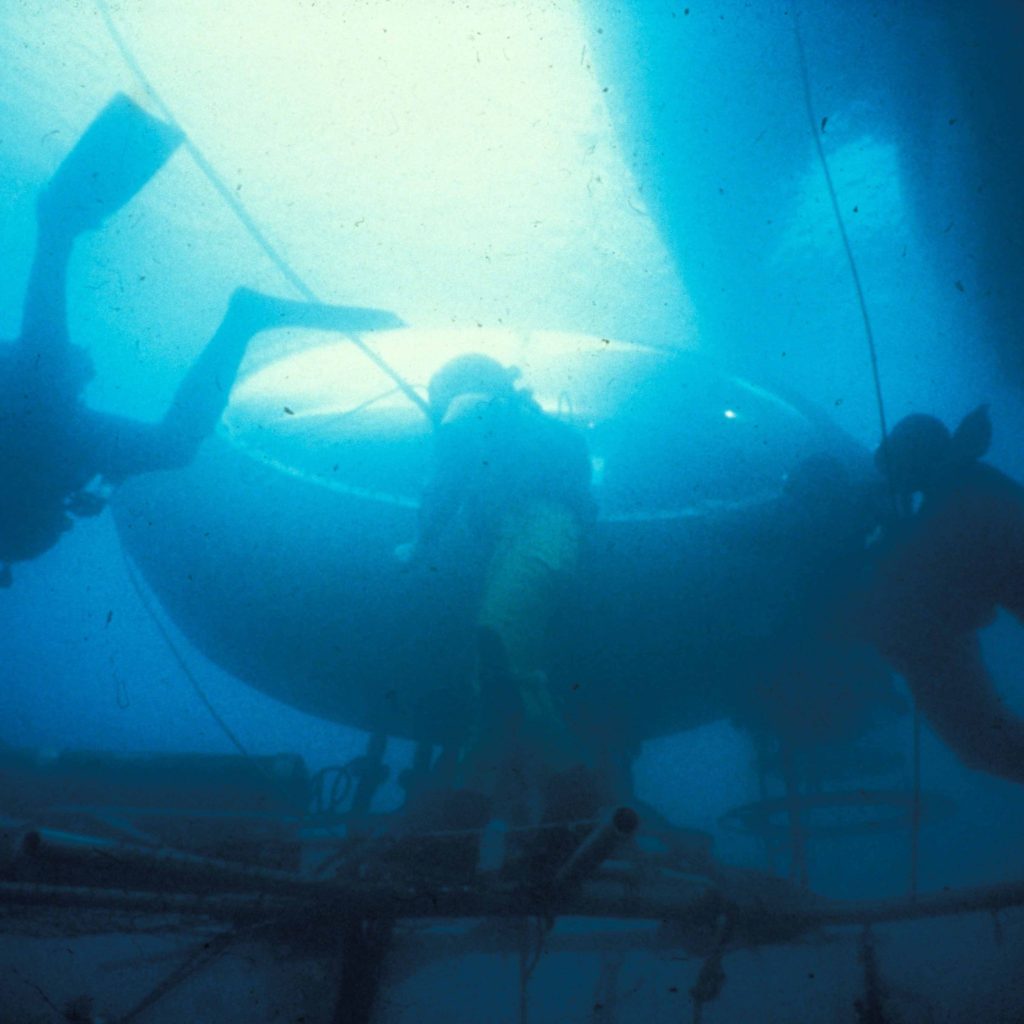
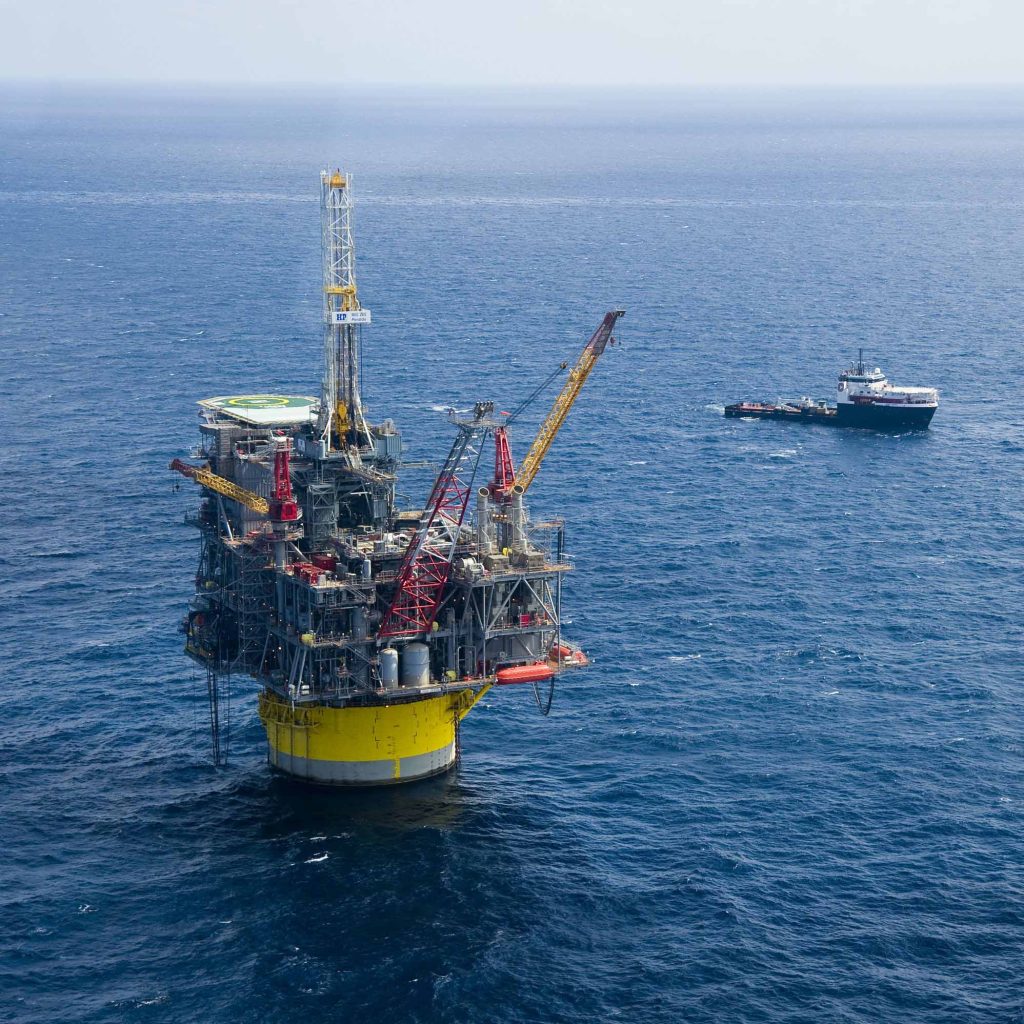
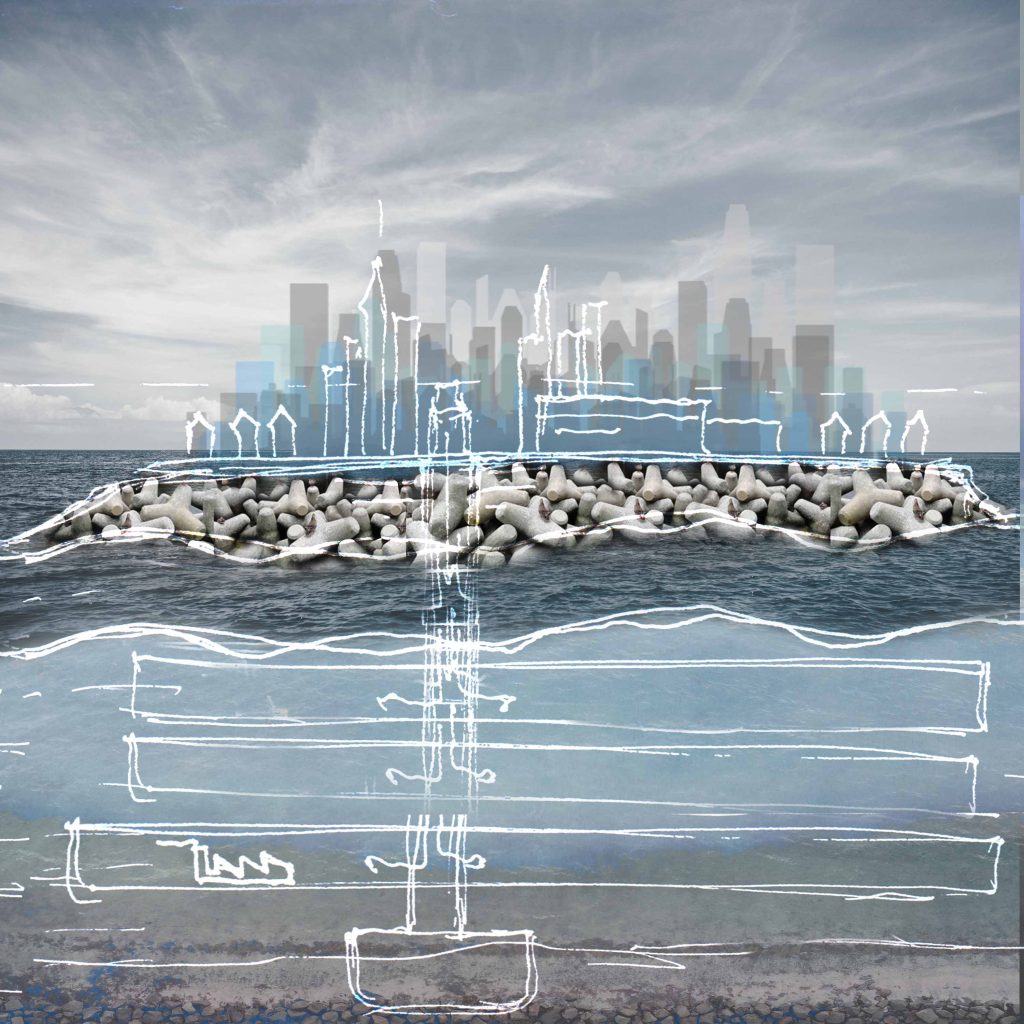
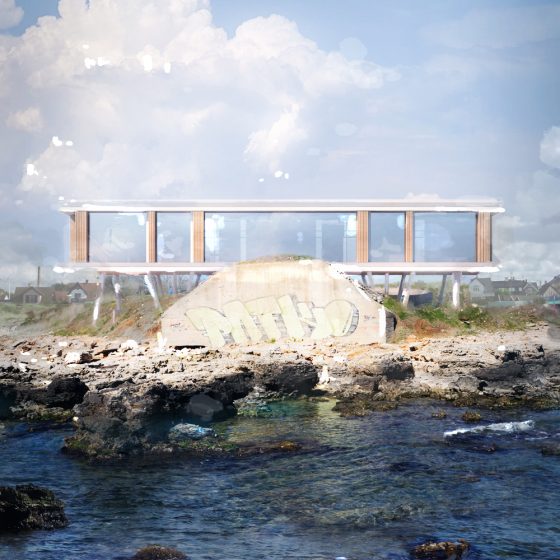
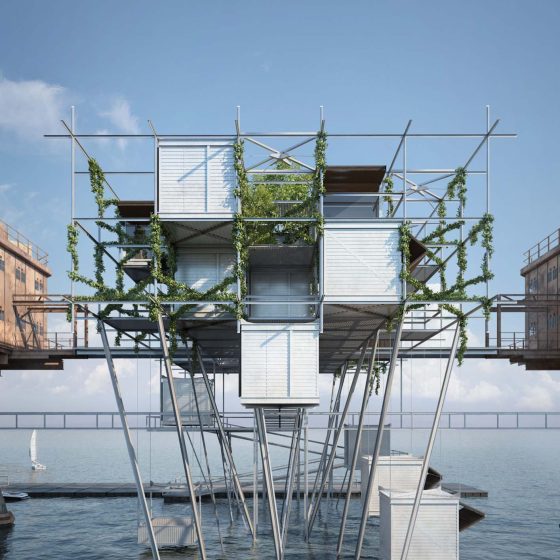
The architectural utilisation of aquatic environments should be perceived as a real possibility for exploiting the aquatory, substantiated by reasonable goals and financial margins. There are numerous examples of large-scale projects functioning satisfactorily and over a long period of time in the aquatic environment worldwide.

Construction Differentia

© NASA
© Charlie Jones
© Yohan Marion
© Jacques Rougerie Architecte

*Chapter 3

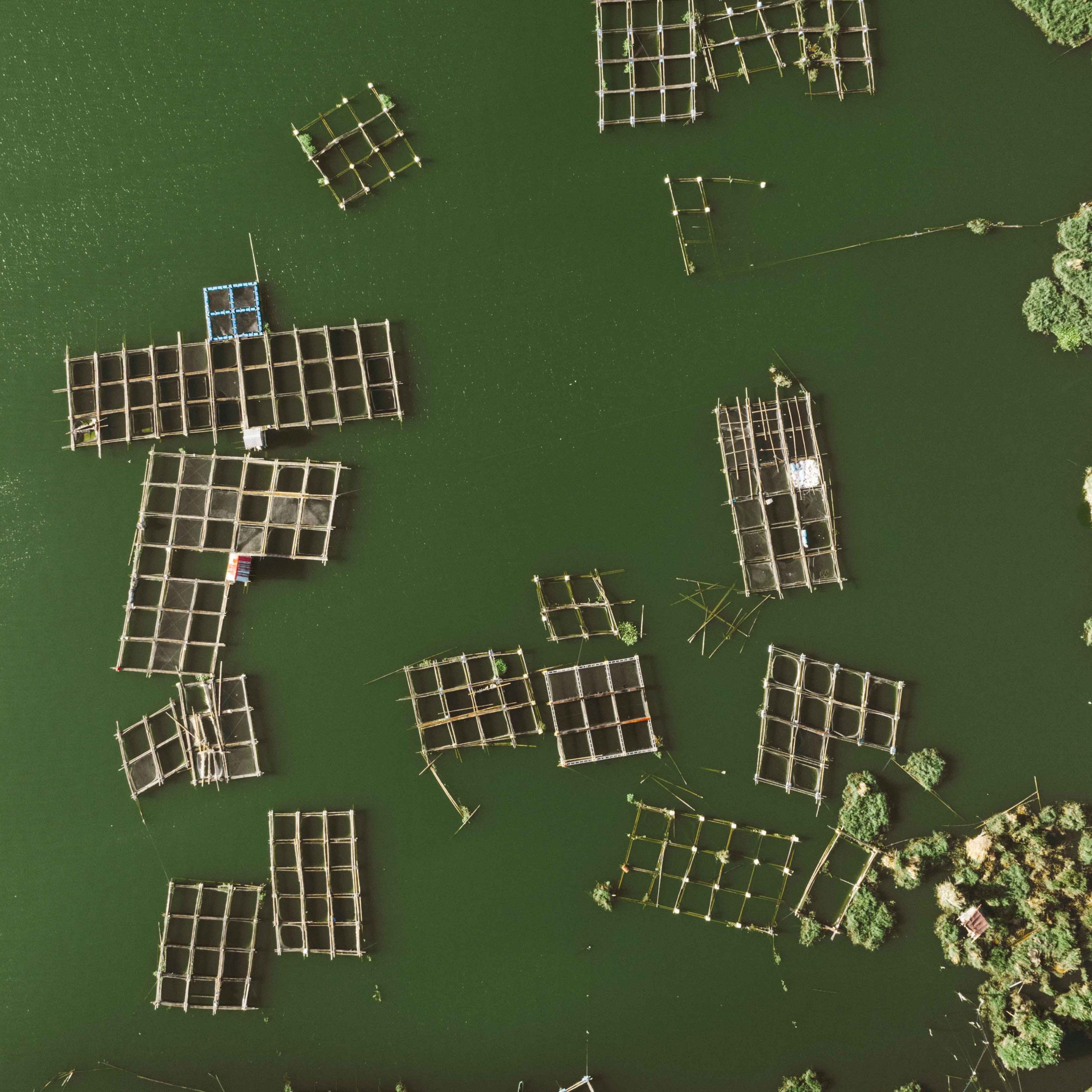
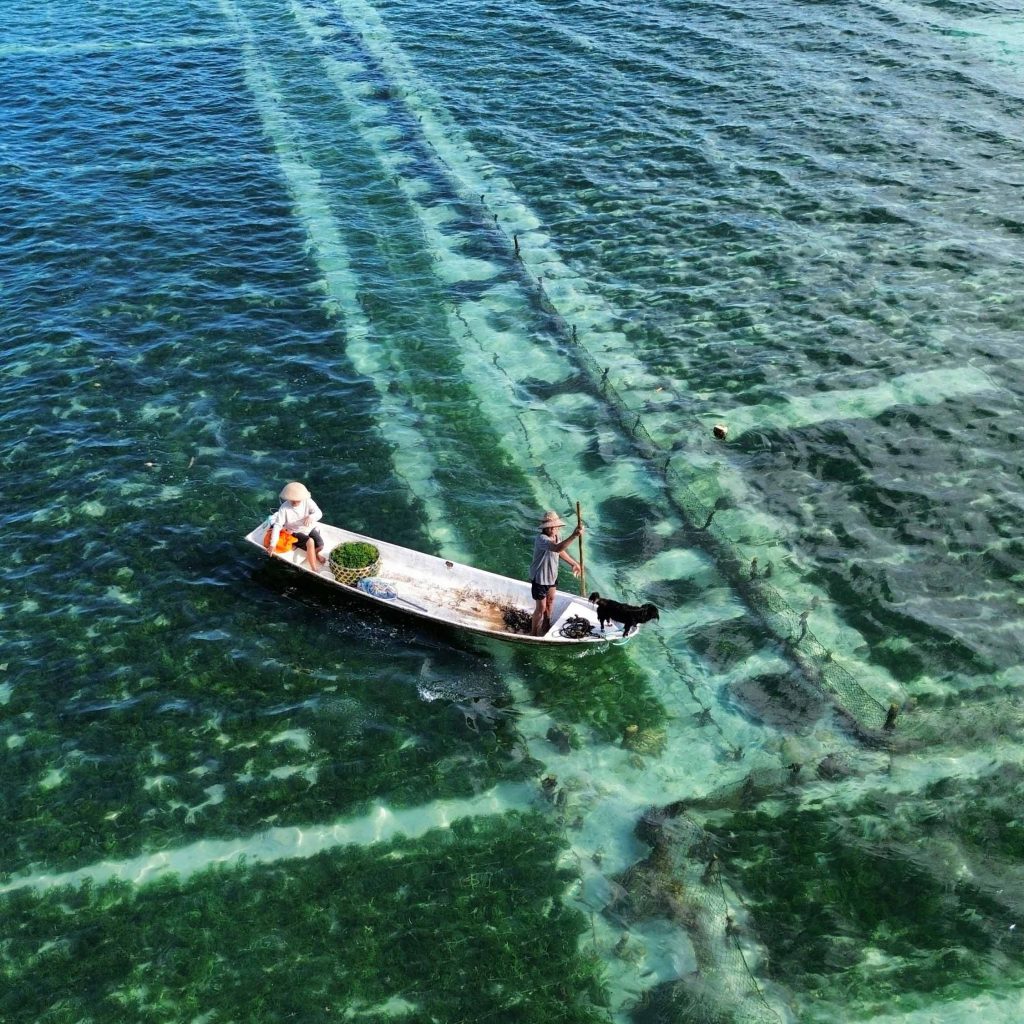
The distinctive location in an aquatic environment and the envisaged mobility in the design of the buildings predetermine the use of local solutions for providing food and energy resources, drinking water, and the specific water purification and sewerage systems.

Resources of the Aquatic Environment

© Jeanne Pelegrin
© Isaac Quesada
© Mike Duhon
© Dan Meyers

*Chapter 4

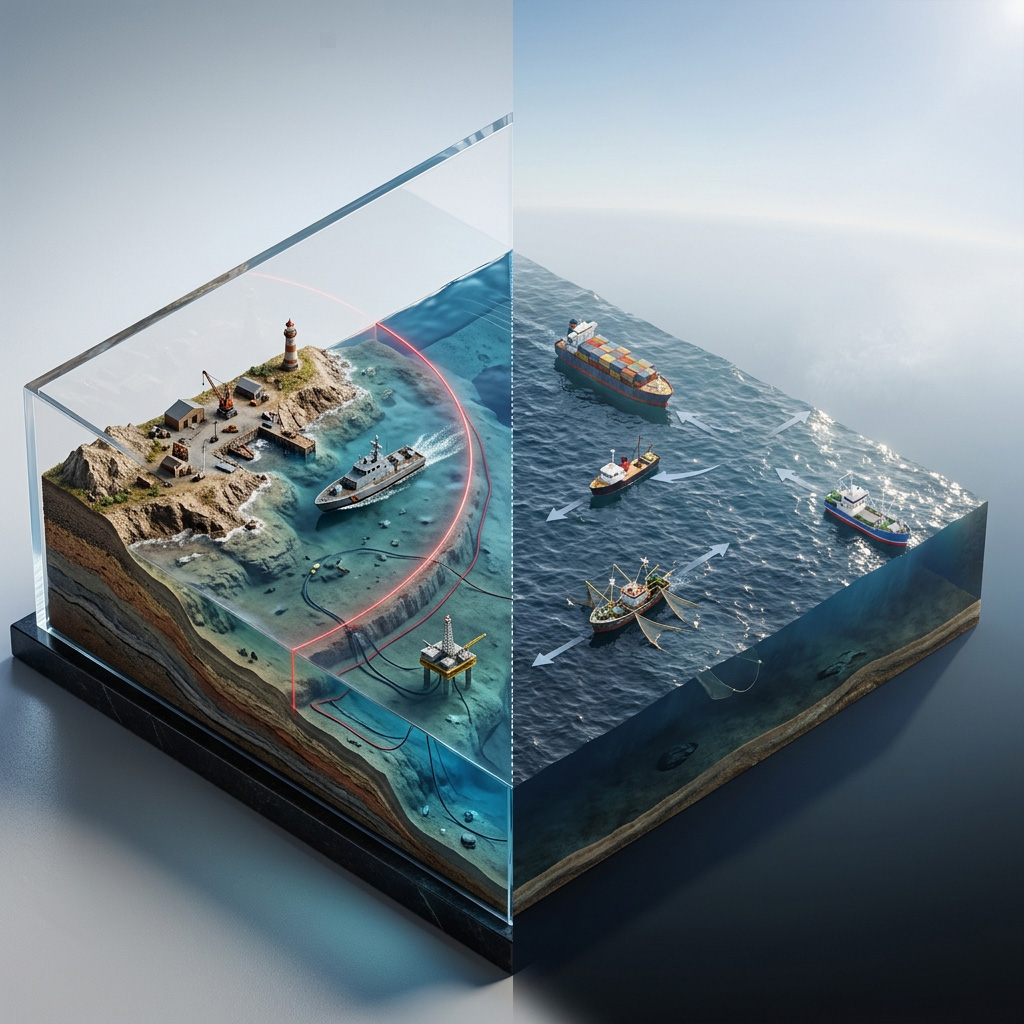
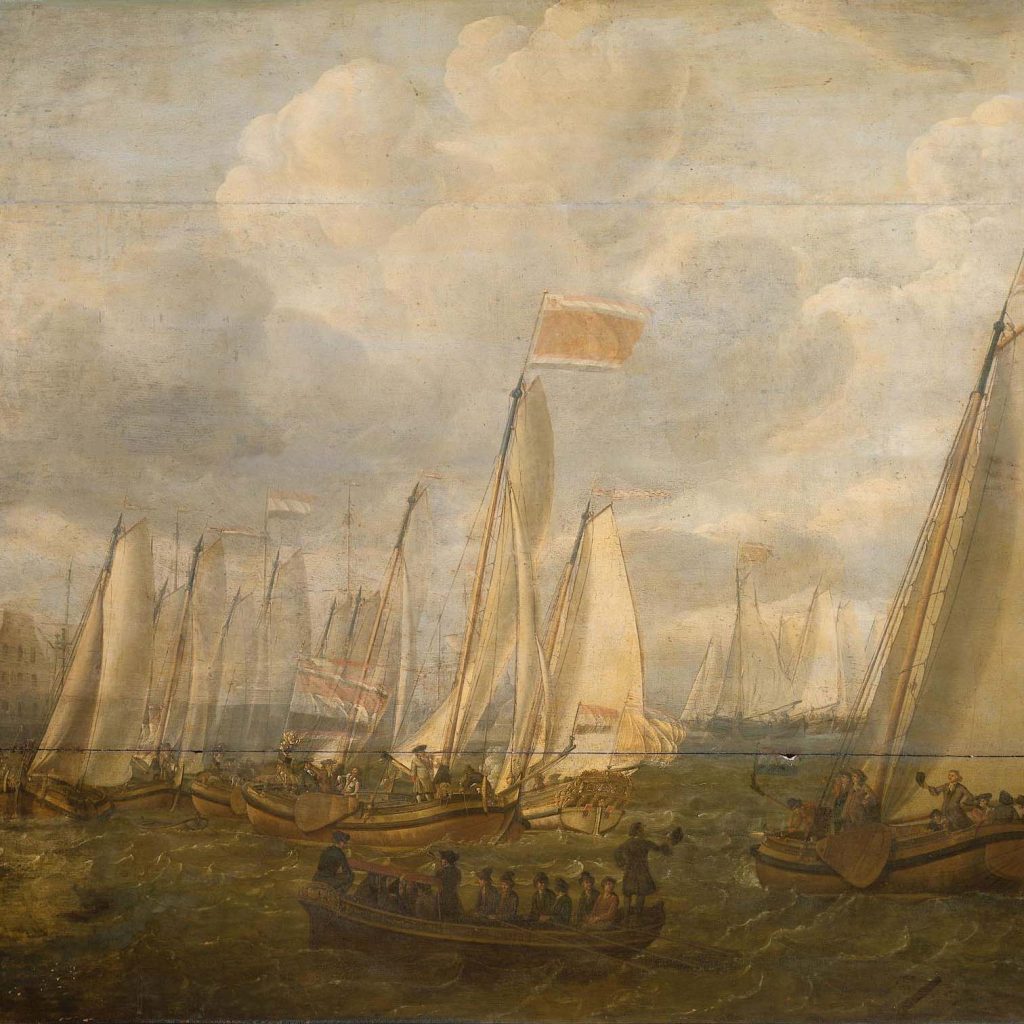
The possibilities of construction in water environments and the development of the cities in aquatories are directly dependent on the ownership of the water areas, the existing legal framework applicable to water constructions and the legislative authorities’ stimulation of such type of design.

Applicable Legal Framework

© messismore
© Mathyas Kurmann
© RKDimages
© Madison Oren

*Chapter 5

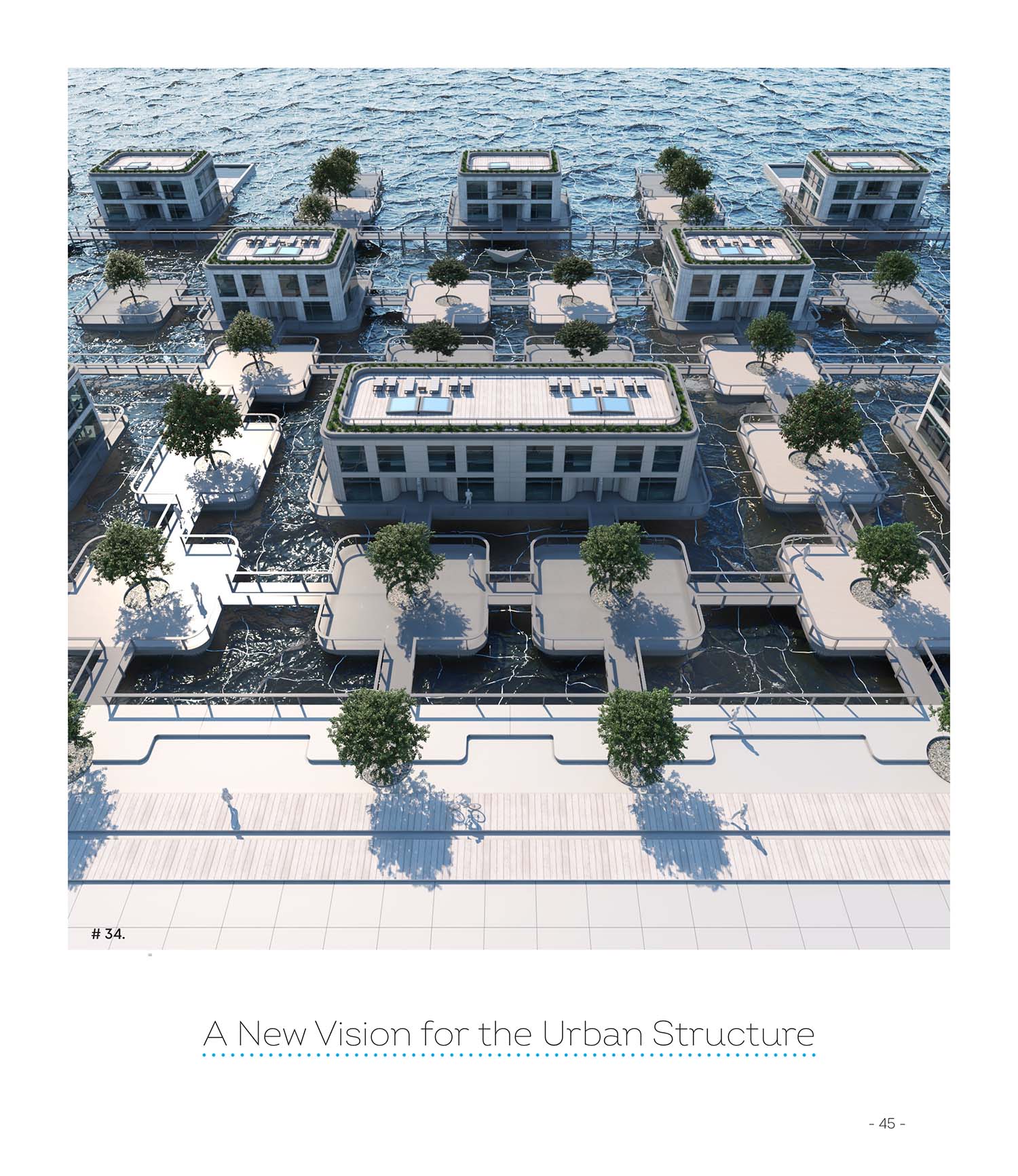
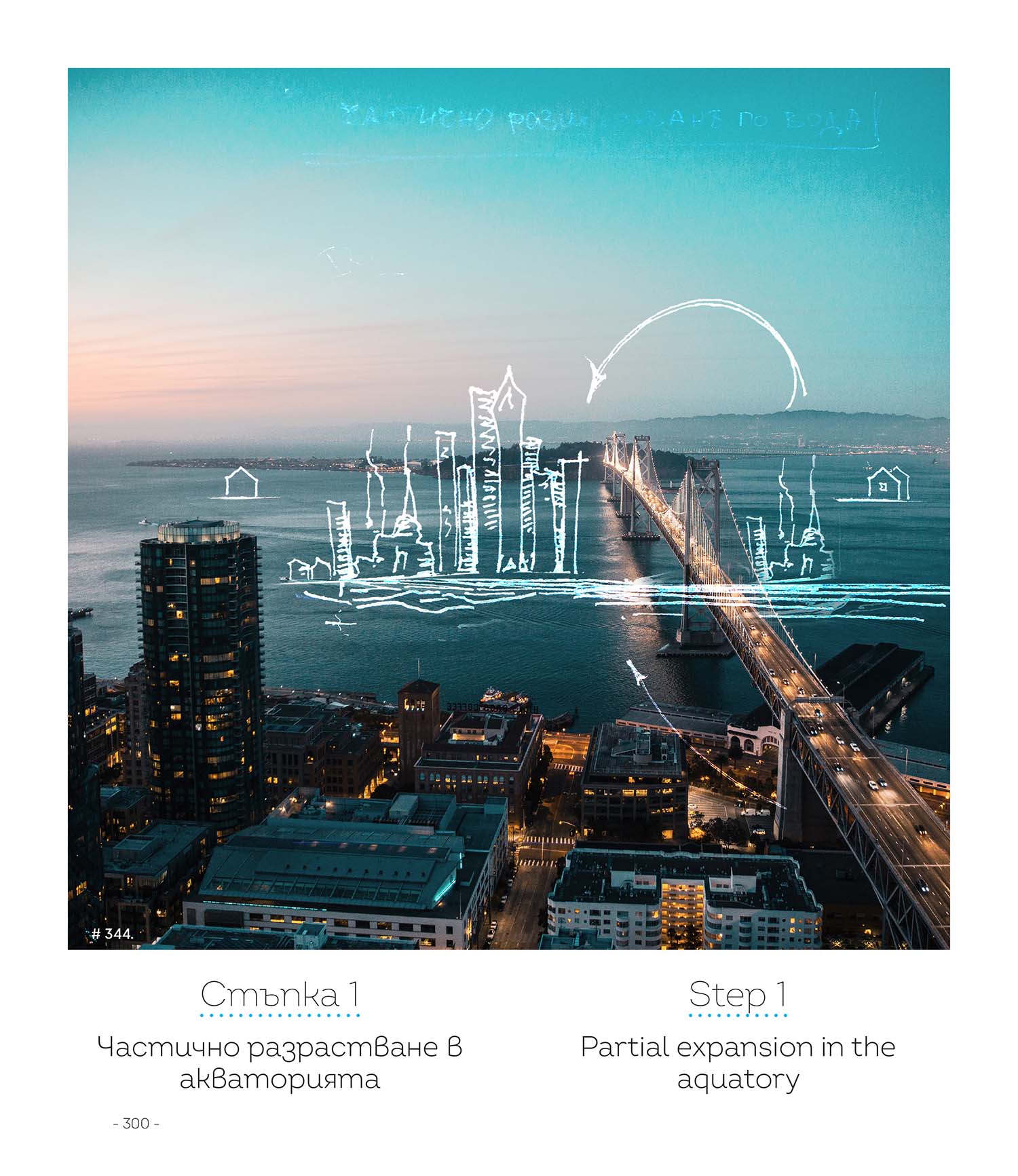
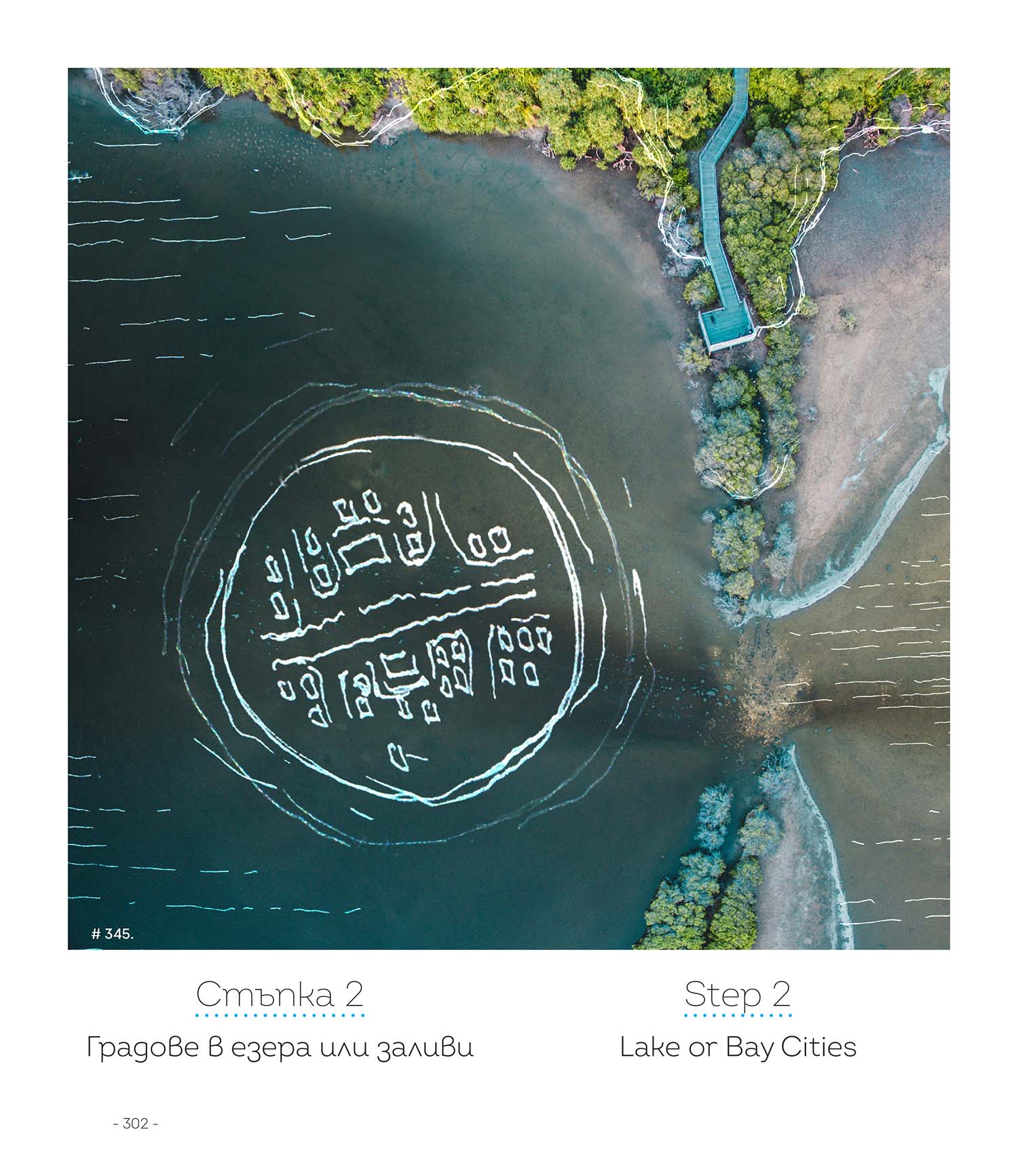
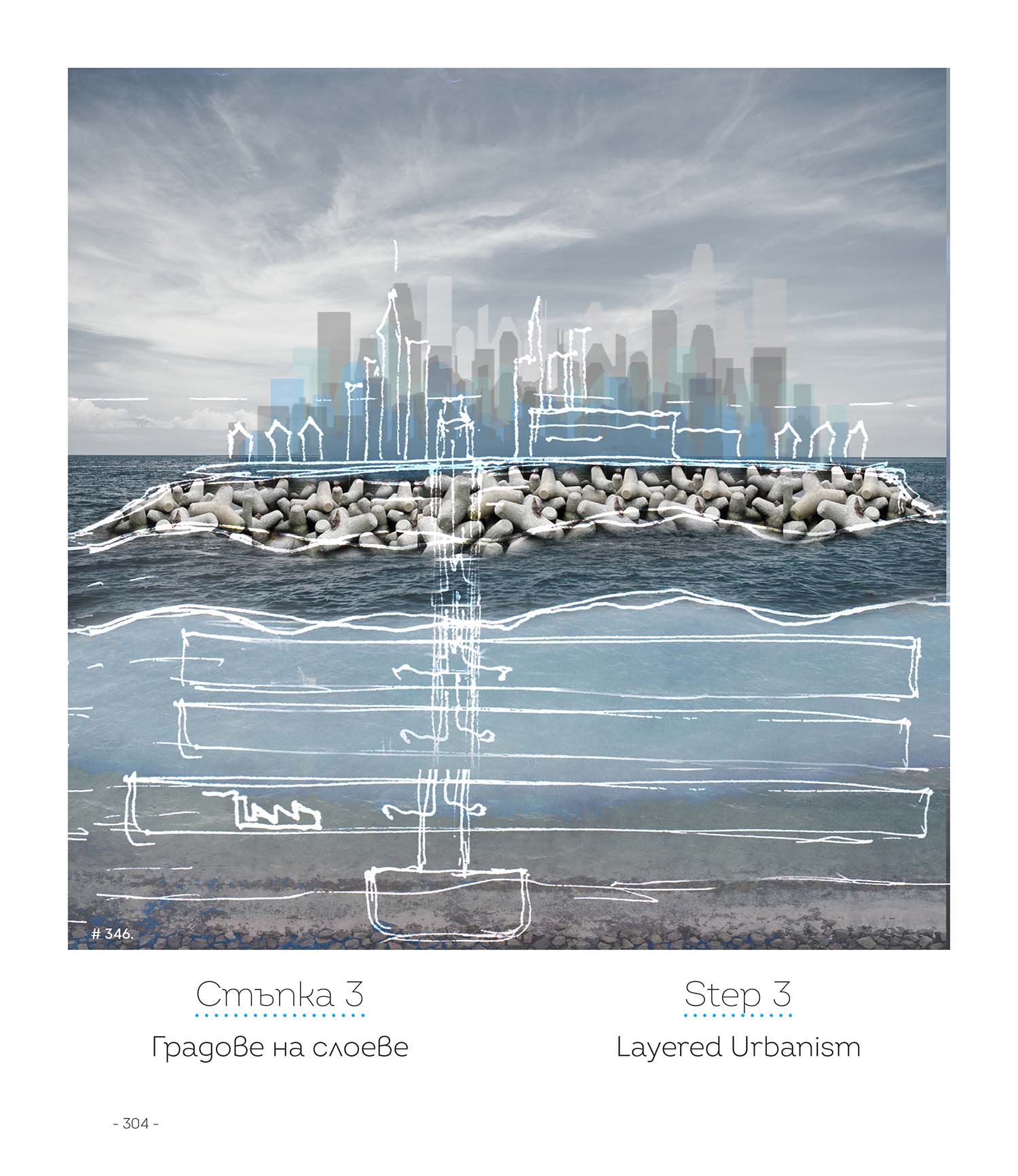
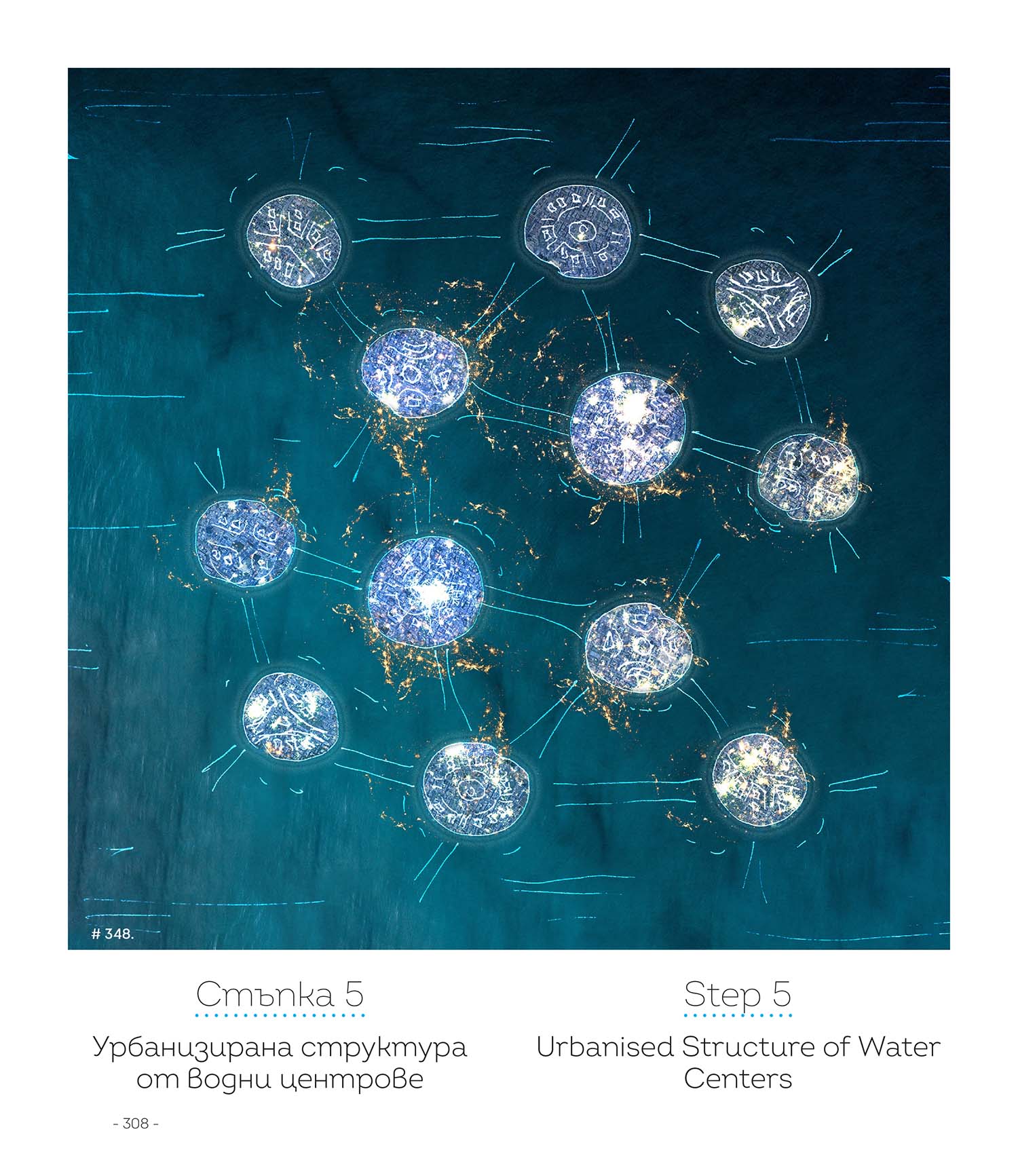
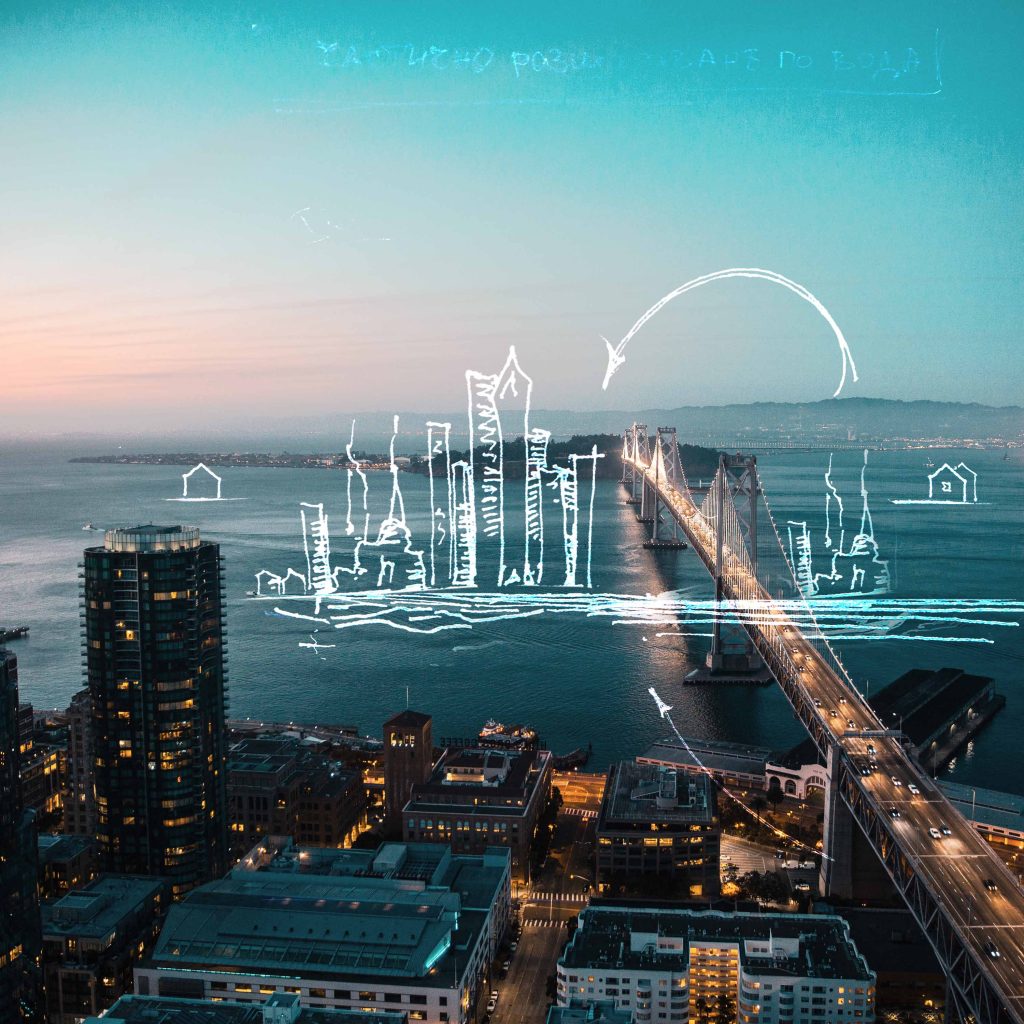
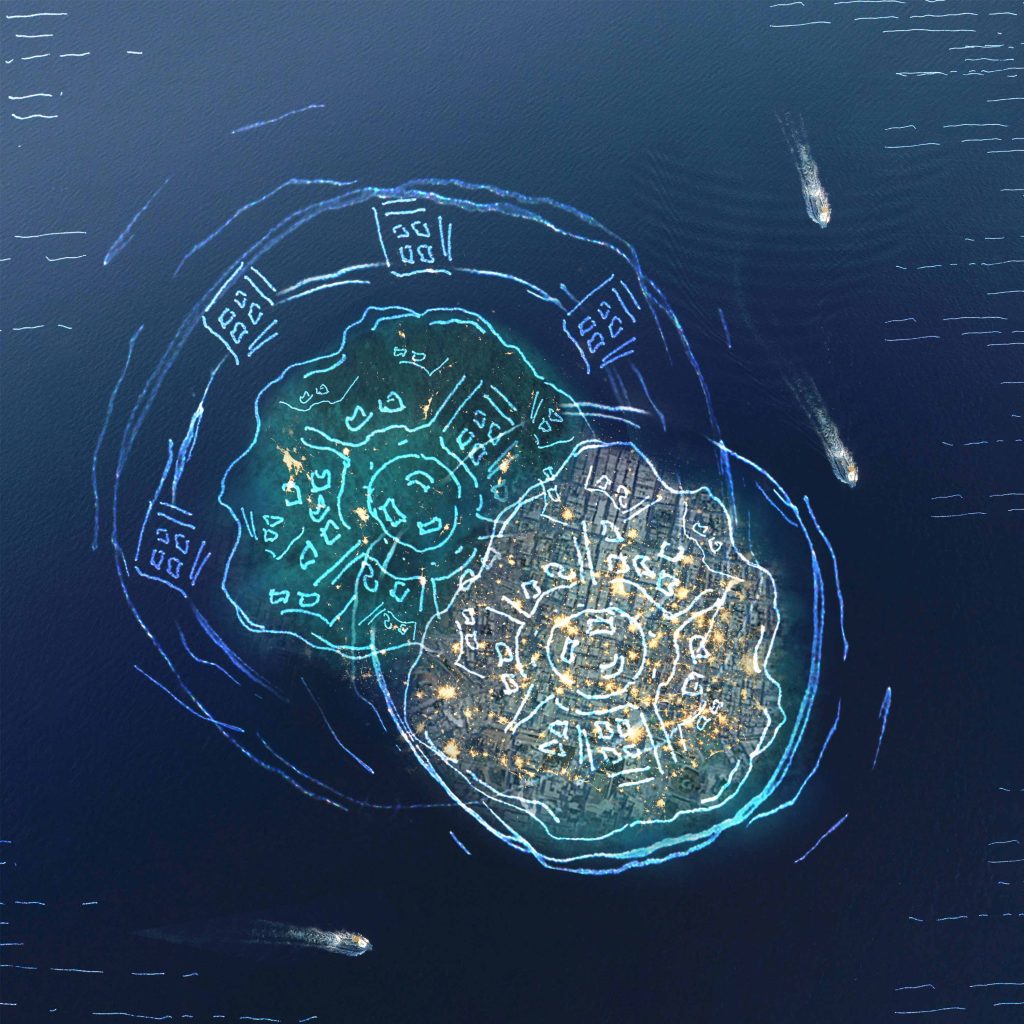
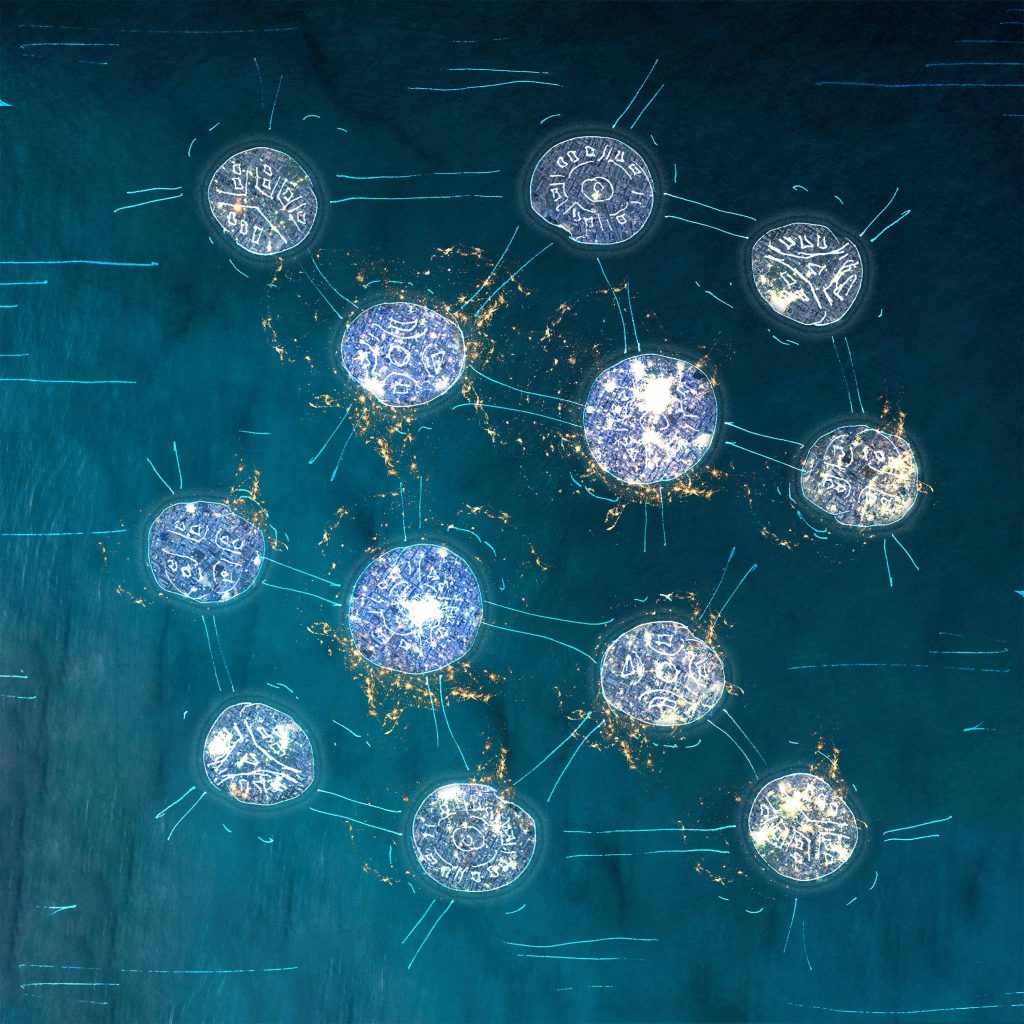
It is necessary to reconsider the coastal megalopolises’ direction of development in which the quality of life is hampered by the dynamically changing city needs and urban sprawl processes. This requires new and more complex functionalities situated on increasingly limited and expensive land territories. Such a problem is partly resolved by building skyscrapers or relocating existing ports.

Prediction for the Development of Aquatecture

Step 1
Step 2
Step 3
Step 4
Step 5
Step 6

BOOK 1 - Potential of Water Architecture (available soon)
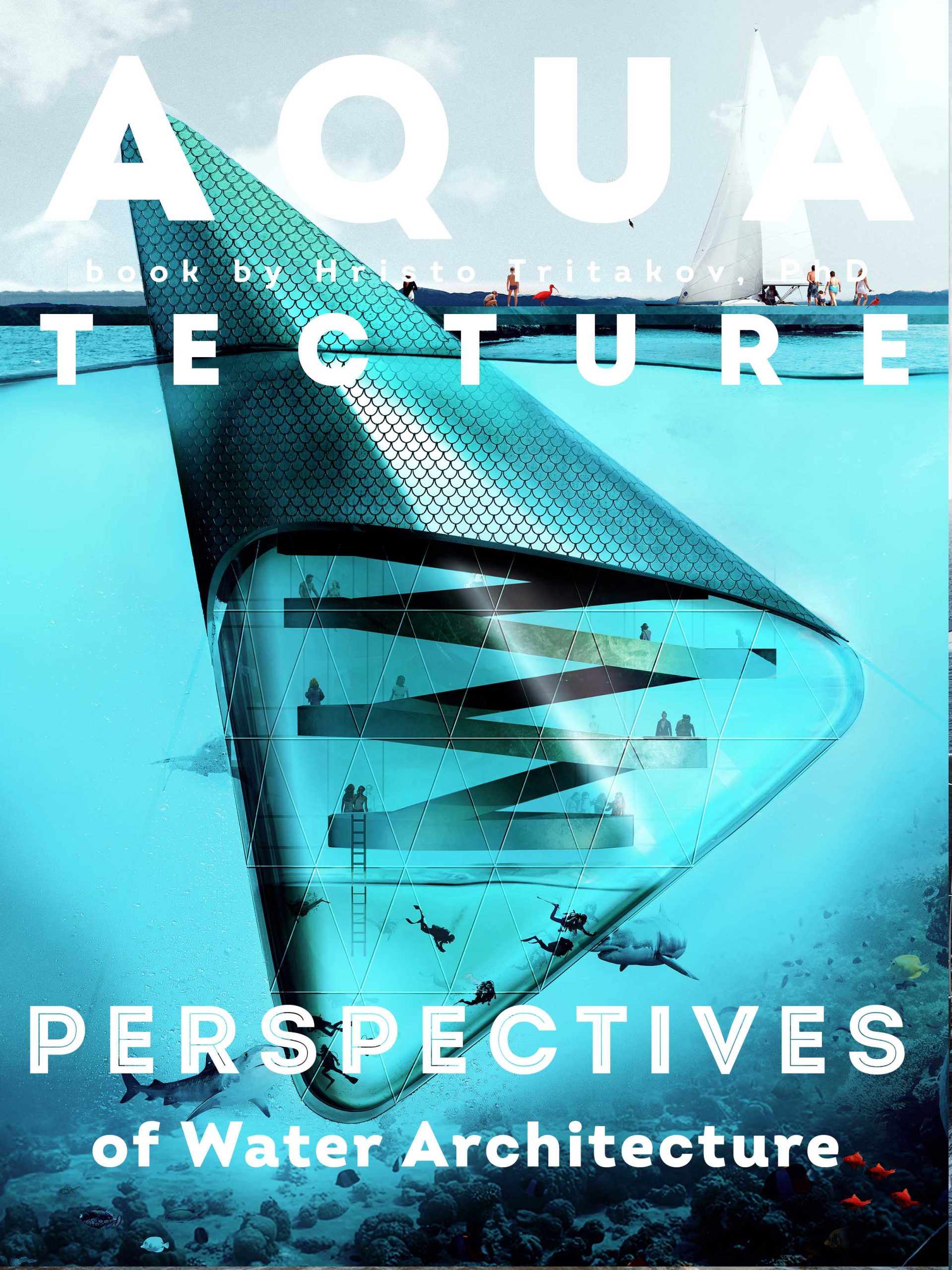
BOOK 2 - Perspectives of Water Architecture (upcoming)
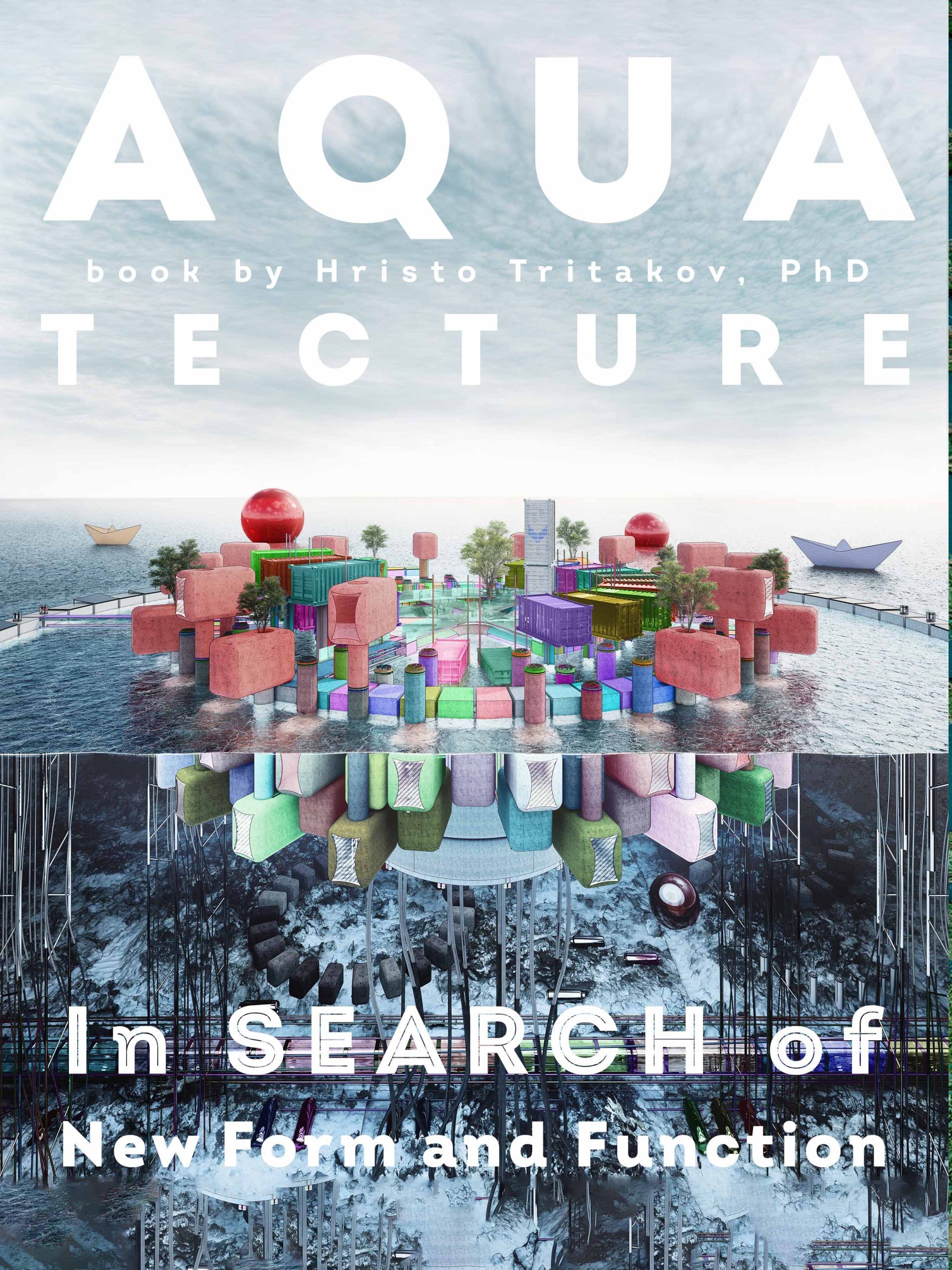
BOOK 3 - In Search of New Form and Function (upcoming)
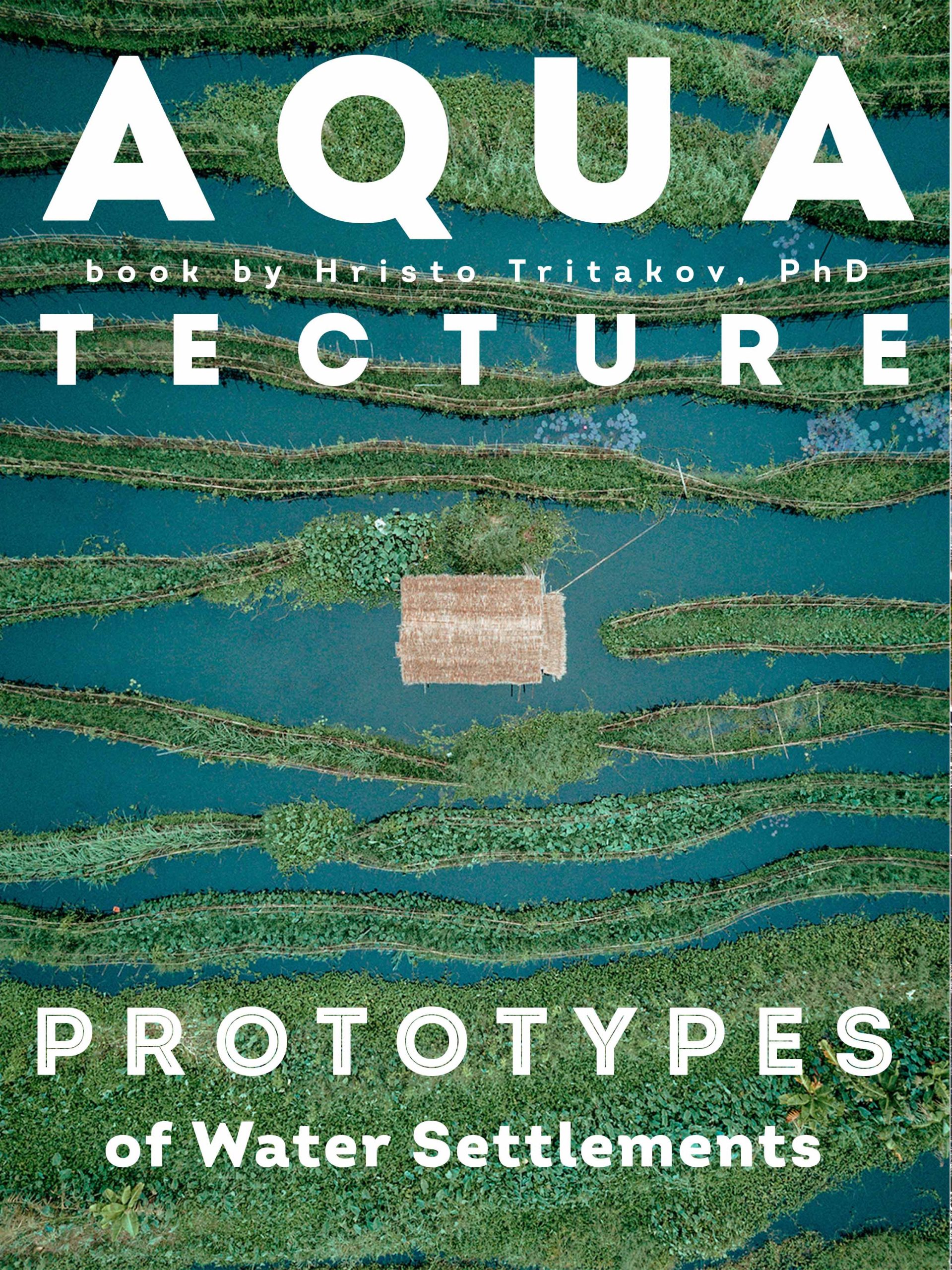
BOOK 4 - Prototypes of Water Settlements
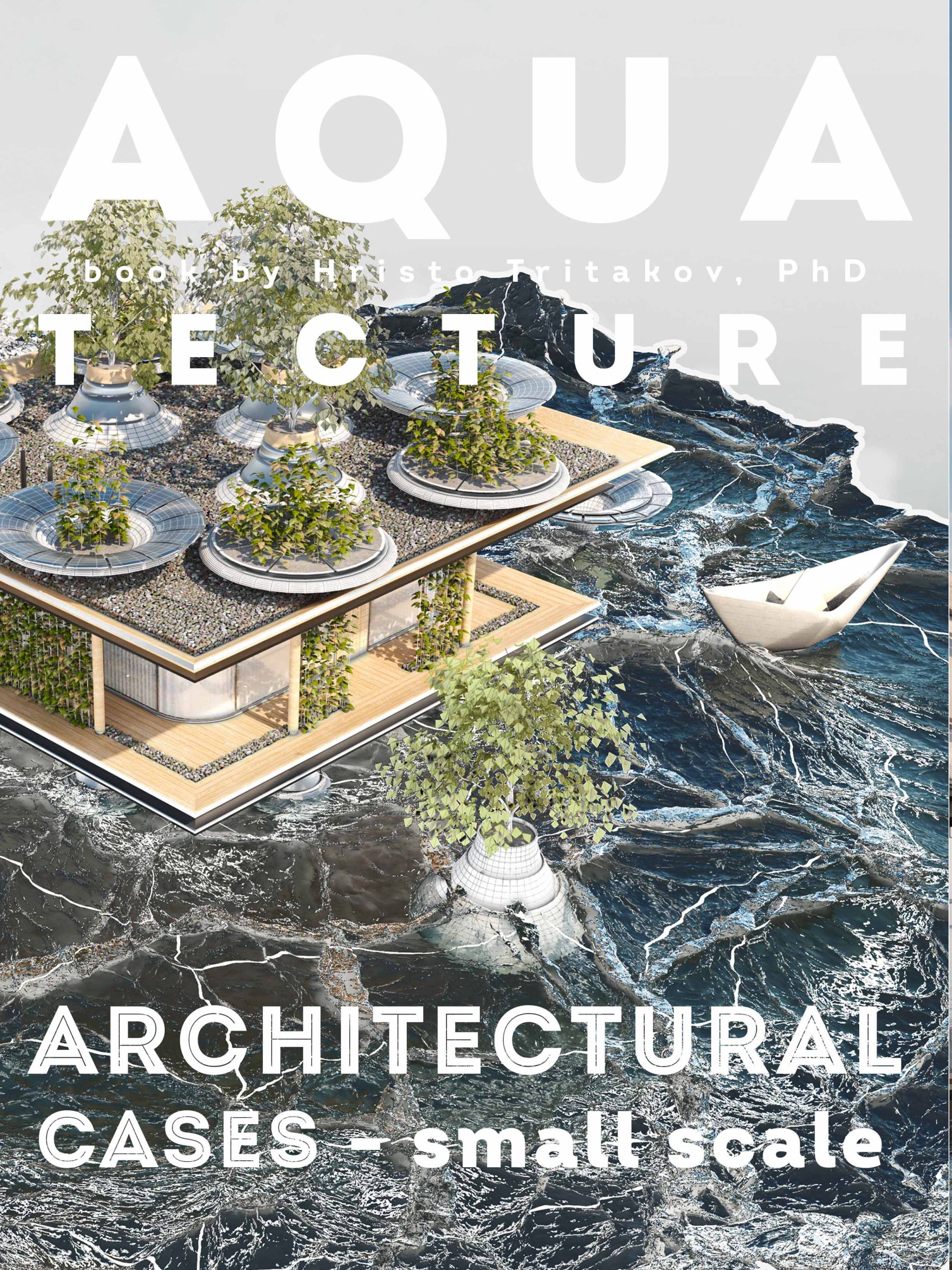
BOOK 5 - Architectural Cases - small scale (upcoming)
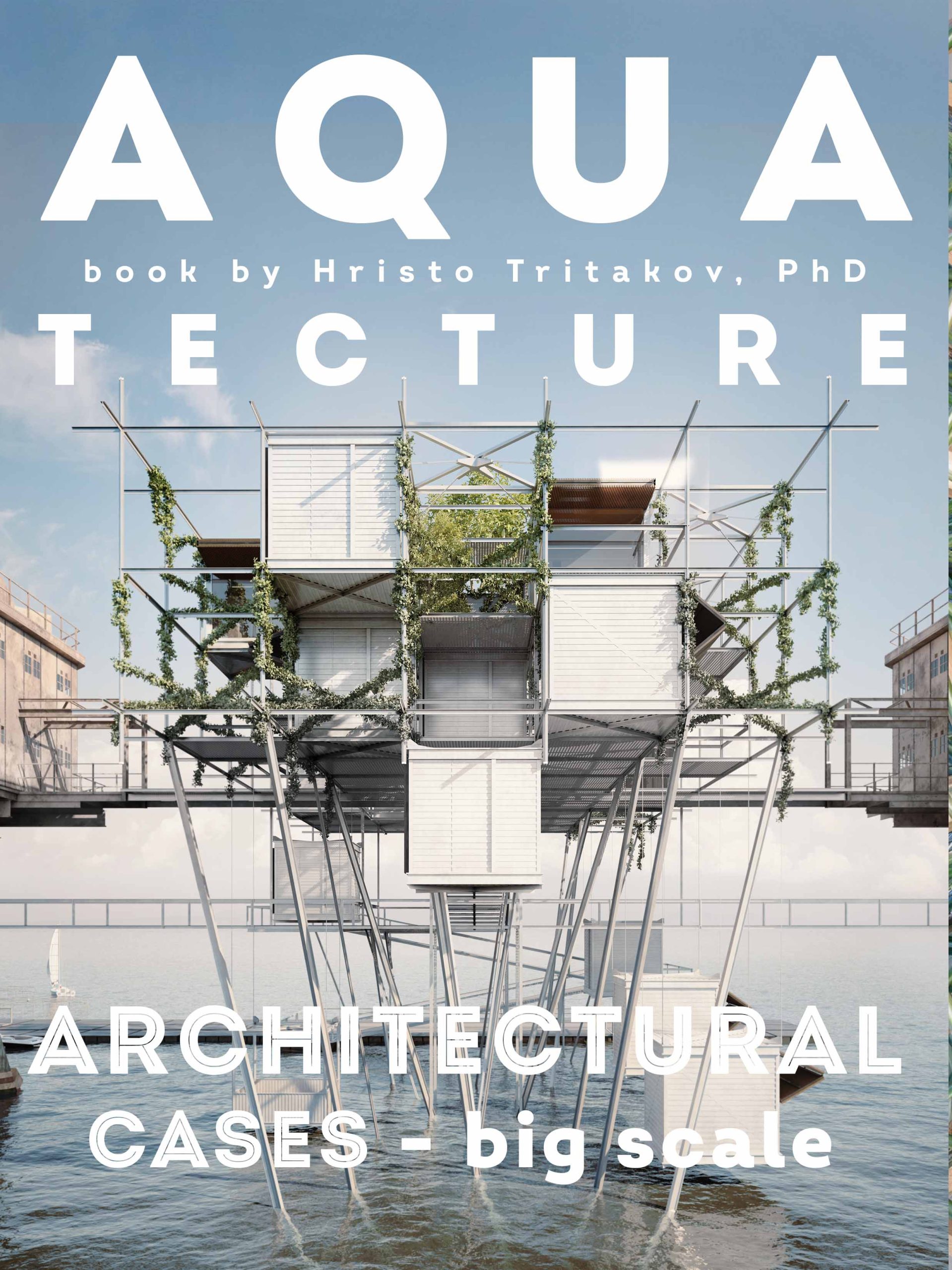
BOOK 6 - Architectural Cases - big scale (upcoming)
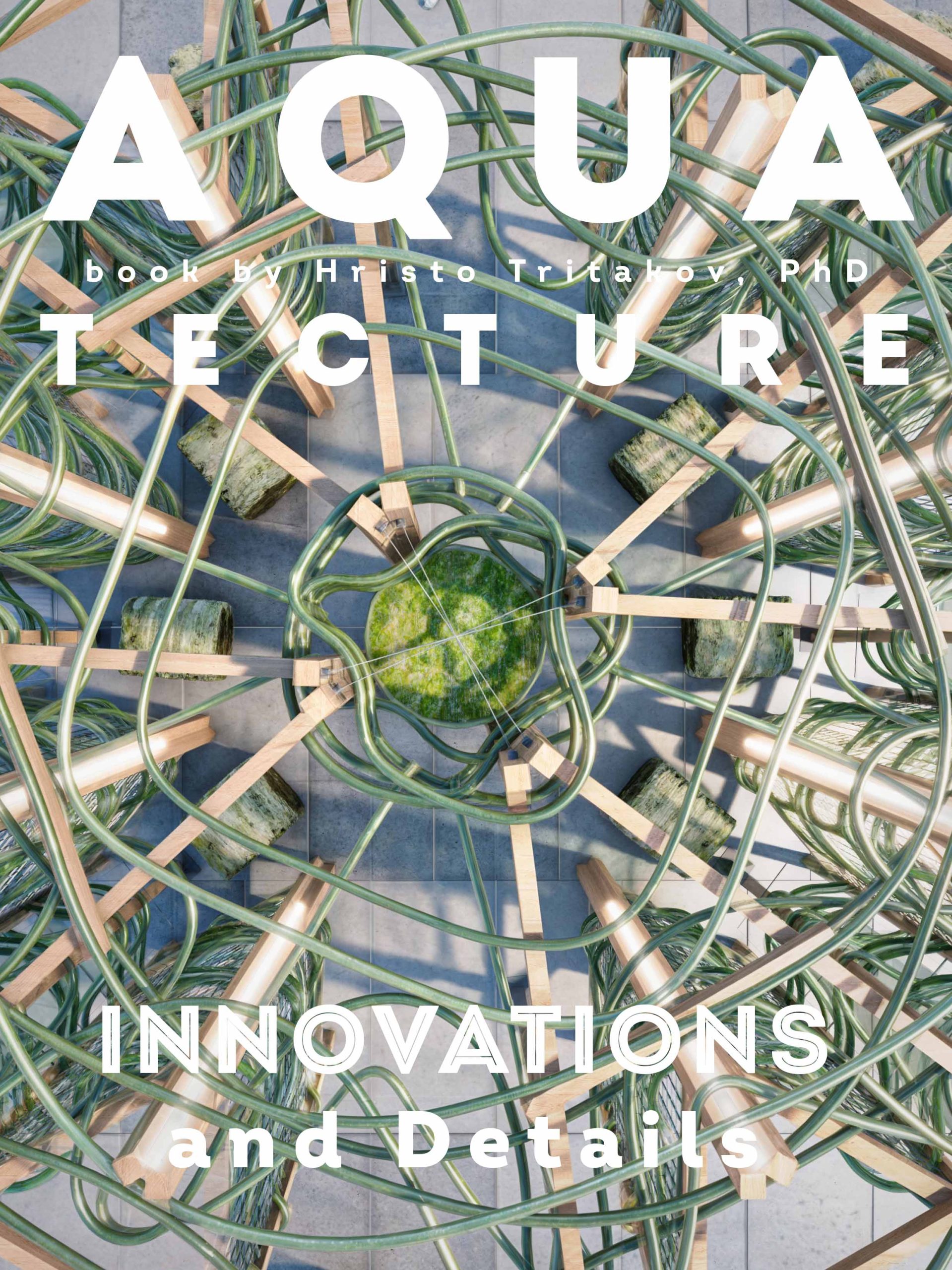
BOOK 7 - Innovations and Details (upcoming)
Contact

Me

Contact Form Demo